Waterproofing your home is essential for maintaining its integrity and comfort during harsh weather conditions. In this article, we will explore some key considerations and steps to help you effectively waterproof your home, ensuring protection from moisture and potential damage. Proper waterproofing not only protects your home’s structure but also helps improve energy efficiency by preventing drafts and conserving heat.
What Are the Best Waterproofing Materials for Homes?
Sealants and coatings come in various forms and are essential for creating protective barriers. Silicone-based sealants are highly flexible and adhere well to many surfaces, making them suitable for a variety of applications around the home.
Acrylic coatings, on the other hand, offer a breathable solution that prevents trapped moisture.
It’s crucial to select a sealant that is compatible with the materials in your home to ensure effectiveness and longevity. Research different products and consider their environmental limitations, such as temperature tolerance and UV resistance. Seeking recommendations from professionals can also guide you in choosing the right product for your needs.
Application techniques are just as important as the choice of product. Follow manufacturer instructions closely to ensure proper adhesion and ultimately, effective waterproofing. Regular maintenance checks and reapplication where necessary will enhance the durability of your waterproofing efforts.
Waterproof membranes offer a versatile solution for protecting various parts of your home. These membranes, available in liquid or sheet form, create a seamless protective layer that effectively repels water. They are widely used on roofs, balconies, and below-grade walls to prevent water penetration.
Liquid membranes are applied seamlessly, creating an adaptable layer that suits complex surfaces. Sheet membranes, made from rubberized asphalt or plastic components, offer a uniform thickness and high puncture resistance. Each type has its advantages, and the choice largely depends on area size, surface complexity, and budget considerations.
When installing membranes, ensure that the surface is prepped and clean to optimize adhesion. Professional application may be preferred in large or critical areas to guarantee skillful installation. Proper detailing at junctions and edges is vital to ensure complete water tightness.
Drainage solutions are essential components of a comprehensive waterproofing strategy. French drains are commonly utilized to redirect water away from vulnerable areas around your home. These systems collect subsurface water, helping prevent it from accumulating around foundations or basements.
Consider installing gutters with larger downspouts and conduct regular maintenance to prevent blockages. Surface grading is another simple yet effective tactic to divert water, ensuring the ground slopes away from the foundation. These strategies are significant adjuncts to traditional waterproofing measures.
In addition to these solutions, installing a gutter-to-drain system can further ensure that water is moved well away from your structure. Back-up systems, such as emergency overflow drains, can also be invaluable during heavy rains. Investing in proper drainage solutions is a proactive way to safeguard your property from water damage.
Can You DIY Waterproofing or Should You Hire a Professional?
DIY waterproofing allows homeowners to address minor issues independently and cost-effectively. Tasks such as caulking windows, sealing small wall cracks, and cleaning gutters are manageable and require basic knowledge and tools. However, it’s important to understand one’s limits and when a job exceeds personal capabilities.
Research and preparation are key elements for successful DIY projects. Follow tutorials, gather appropriate materials, and allocate adequate time to complete each task meticulously. Often, DIY efforts can act as preventive measures, adding an extra level of protection against minor intrusions.
While DIY can be rewarding, it’s crucial not to overlook safety. High ladders and power tools may require additional caution and safety gear. Stay informed and equipped, ensuring you perform each task efficiently and securely.
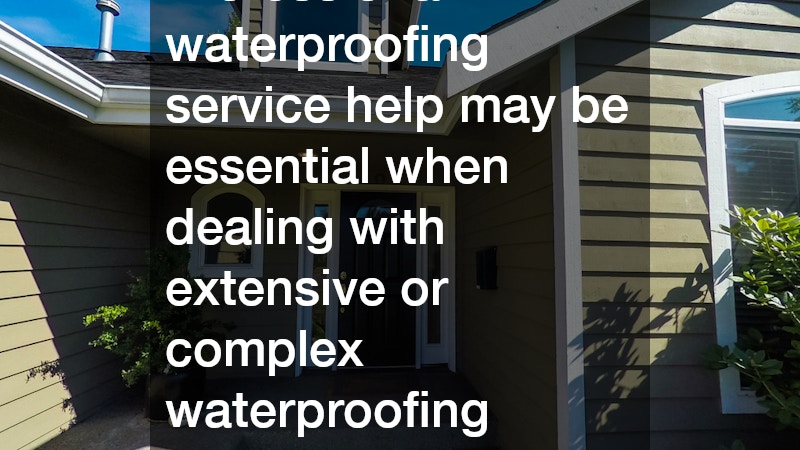
Professional waterproofing service help may be essential when dealing with extensive or complex waterproofing issues. Large-scale repairs or the installation of drainage systems often require expertise that professionals provide. Additionally, a professional assessment can reveal underlying problems casual observations may miss.
Situations involving structural integrity, large slab replacements, or intricate membrane applications demand specialized skills. Professionals offer warranties, providing peace of mind and assurance of quality work. Their experience enables them to anticipate future issues and offer solutions that DIY methods might overlook.
If repeated DIY efforts aren’t resolving the issue, it may be time to consult a professional. A small investment in expert advice can potentially prevent larger outlays from water-induced damage. Consider professionals as partners in securing your home’s longevity and value.
Waterproofing your home is a critical step in safeguarding your investment from water damage. By identifying vulnerable areas, selecting appropriate materials, and knowing when to seek professional help, you can effectively protect your home against potential water-related issues. Taking these steps will not only improve your home’s resilience but also its value and comfort, providing peace of mind for years to come.