For many years, old and damaged pavement was treated as useless debris. When roads or parking lots were resurfaced, the removed asphalt often went to landfills or sat in piles on unused land. Today that is changing. With rising environmental awareness and better technology, more contractors and municipalities are turning to a crushed asphalt recycling company to turn old pavement into useful material again.
This shift is changing how we build and maintain roads while saving money and reducing waste.
What Is Crushed Asphalt Recycling?
Crushed asphalt recycling takes old asphalt pavement, breaks it into smaller pieces, and reuses it in new construction. Instead of relying only on newly mined stone and fresh bitumen, a crushed asphalt recycling company processes reclaimed asphalt pavement, often called RAP.
The recycled asphalt can be used in new road and parking lot surfaces, as base material for driveways and paths, for access roads on job sites, and in some cases for fill or erosion control. By treating old pavement as a resource, the construction industry moves closer to a circular system where materials are reused instead of thrown away.
How the Process Works
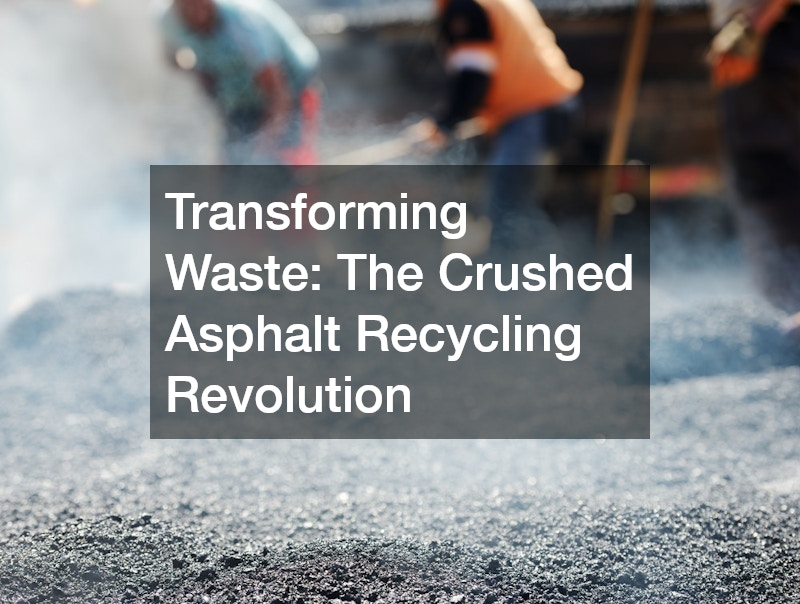
The process begins when old asphalt is milled or removed during repair or reconstruction. Instead of going to a dump site, this material is hauled to a recycling facility. There, workers remove large debris and contaminants such as metal and trash. The asphalt is then fed into crushers and screens that break it down into specific sizes.
Some recycling plants use additional equipment to measure and control the blend of binder and aggregate so the final product will perform well in new mixes. Once processed, the recycled asphalt is stored and ready to be blended into new asphalt at a plant or used directly as base material. A good crushed asphalt recycling company manages each step carefully so the recycled product is consistent and reliable.
Environmental Benefits
Recycling asphalt has clear environmental advantages. It reduces the need for new aggregate mining, which can damage land, habitats, and water resources. It also lowers demand for new bitumen, a petroleum based product that takes energy to produce and contributes to greenhouse gas emissions.
Using recycled asphalt keeps large volumes of material out of landfills and waste piles. When projects source recycled material from a nearby crushed asphalt recycling company, they can also cut trucking distances, which saves fuel and reduces emissions. In many cases, using high levels of recycled asphalt significantly lowers the overall environmental impact of a paving project.
Economic Benefits
Crushed asphalt recycling also makes strong financial sense. Because it reuses existing material and often reduces hauling and disposal costs, recycled asphalt is usually less expensive than comparable virgin aggregate.
Contractors who use recycled material can lower their project costs and be more competitive on bids. They may also avoid high landfill tipping fees. For property owners, buying recycled asphalt from a crushed asphalt recycling company is often a cost effective choice for driveways, farm roads, and parking areas. Recycled asphalt compacts into a firm, stable surface and can be refreshed over time without full replacement.
Performance and Durability
Some people worry that recycled asphalt is weaker than new material. In reality, when it is processed and used correctly, recycled asphalt can perform very well. It compacts tightly, handles traffic loads, and works as a strong base or surface layer.
Many transportation agencies now allow and encourage the use of recycled asphalt in road projects. Modern mix design methods help ensure that asphalt with recycled content meets standards for strength and durability. Working with an experienced crushed asphalt recycling company and asphalt producer is important to get the right mix for each project.
Choosing a Recycling Partner
Not all recyclers offer the same quality. When you select a crushed asphalt recycling company, consider how long they have been in business, what kind of equipment they use, and what quality control tests they perform. Ask whether they can produce the sizes and types of material your project needs and whether they follow local environmental and safety rules.
Reliable companies are open about their process and can provide test results or specifications for their products. They will also be willing to discuss which recycled materials are best suited to your job.
From Waste to Resource
The growth of crushed asphalt recycling is reshaping how we view old pavement. Instead of seeing it as a burden, more communities and contractors now see it as a valuable resource that can be used again and again. By working with a crushed asphalt recycling company, project owners help protect the environment, reduce costs, and support more sustainable infrastructure.
As technology advances and recycling practices continue to improve, the transformation of waste asphalt into high performing new surfaces will only grow. Yesterday’s roads can become the foundation for tomorrow’s projects, turning what was once a disposal problem into a powerful solution for a more efficient and responsible future.