Choosing the right roofing system is a major decision that affects a home’s appearance, performance, and long-term value. Beyond standard asphalt shingles, homeowners may consider alternative systems designed for unique architectural, environmental, or performance needs. In this article, we will explore the intricacies of opting for a specialty roof for your home. Whether the motivation is visual distinction, enhanced durability, or improved efficiency, understanding both the advantages and the tradeoffs is essential to making a confident, informed choice.
What Are the Advantages of Installing a Specialty Roof?
One of the most compelling reasons homeowners explore specialty roofs is their potential for extended lifespan. Many specialty roofing systems—such as metal, slate, clay tile, or synthetic composites—are engineered to withstand harsh environmental conditions more effectively than traditional materials.
They often offer superior resistance to wind uplift, moisture intrusion, fire exposure, and UV degradation. This increased durability can translate into fewer repairs over time and a longer replacement cycle. While performance varies by material, many specialty systems are designed with structural resilience in mind, making them well-suited for regions prone to extreme weather or temperature fluctuations. For homeowners focused on long-term reliability, this durability can be a decisive factor.
Visual impact is another significant advantage. Specialty roofs provide a level of architectural customization that standard roofing options may not offer. Materials such as slate, standing-seam metal, or tile can dramatically enhance curb appeal and help a home stand out while remaining cohesive with its architectural style. Color variations, textures, profiles, and finishes allow homeowners to align the roof with historic designs, modern aesthetics, or regional styles. In higher-end or custom-built homes, roofing is often treated as a defining design element rather than a purely functional one. When thoughtfully selected, a specialty roof can elevate the entire exterior presentation of the property.
Many specialty roofing materials contribute to improved energy performance. Metal roofs, for example, often reflect solar radiation, reducing heat absorption during warmer months. Other systems may offer increased thermal mass or compatibility with advanced insulation assemblies, helping regulate interior temperatures more effectively. Improved energy efficiency can lead to reduced strain on heating and cooling systems, particularly in climates with temperature extremes. While the degree of savings varies, energy-conscious homeowners often consider roofing as part of a broader efficiency strategy that includes insulation, ventilation, and envelope design.
What Are the Tradeoffs or Disadvantages of Specialty Roofs?
The most commonly cited drawback is higher upfront cost. Specialty roofs typically require a larger initial investment compared to standard asphalt shingles. This includes not only material costs but also labor, structural considerations, and specialized installation requirements. While long-term durability and potential energy savings may offset some of these costs over time, the initial expense can be a barrier for some homeowners. Budget planning should account for the total installed cost rather than focusing solely on material pricing.
Although many specialty roofing systems are durable, they are not maintenance-free. Certain materials may require periodic inspections, specialized cleaning methods, or prompt attention to minor issues to maintain performance and appearance. For example, natural materials can be sensitive to moisture or biological growth if not properly maintained, while metal systems may require inspection of fasteners or coatings over time. Understanding the specific maintenance expectations of a chosen system is critical to avoiding unexpected upkeep demands.
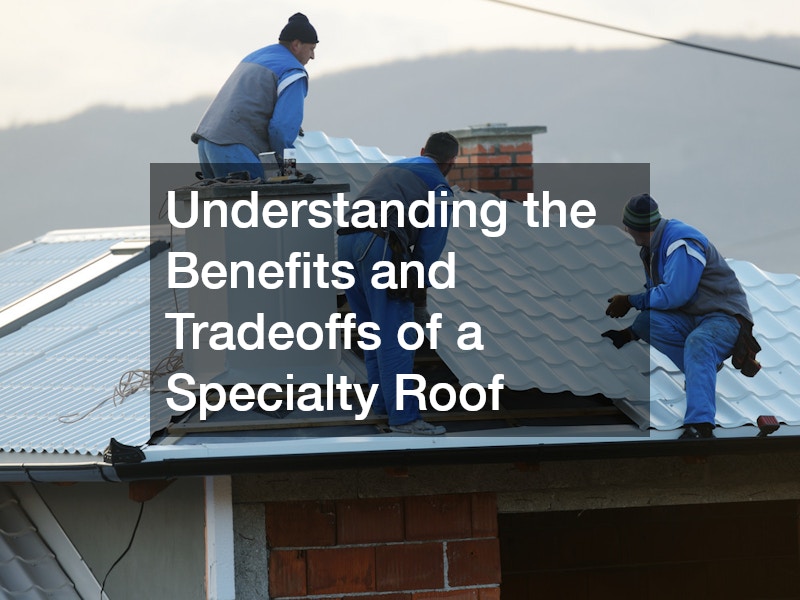
Another consideration is access to qualified installers. Specialty roofs often require contractors with specific training, certifications, or experience. In some regions, these professionals may be limited, which can affect scheduling, pricing, and long-term service availability. Material sourcing can also introduce complexity. Certain roofing systems may have longer lead times or be less readily available, particularly for custom colors or profiles. Installation complexity increases the importance of proper planning and contractor vetting to ensure the roof performs as intended.
How to Decide if a Specialty Roof Is Right for You?
A realistic financial assessment should be the starting point. This includes not only the installation cost but also long-term maintenance expectations and potential future repairs. Comparing lifecycle costs rather than upfront pricing alone provides a clearer picture of overall value. Homeowners should also consider financing options or whether the investment aligns with broader renovation plans. A specialty roof may make more sense when combined with exterior upgrades or structural improvements.
Local climate plays a significant role in determining suitability. Roofing systems perform differently depending on exposure to heat, cold, wind, moisture, and precipitation. Materials that excel in one environment may underperform in another if not properly matched to conditions. Consulting with professionals who understand regional building requirements and environmental challenges can help narrow options and avoid costly mismatches.
Long-Term Goals and Home Value Considerations
Finally, homeowners should evaluate how a specialty roof fits into their long-term plans. For those intending to remain in their home for many years, durability and reduced replacement frequency may be especially appealing. In higher-value markets, a specialty roof can also contribute to resale appeal by signaling quality construction and thoughtful design.
However, resale impact depends on buyer expectations in the local market. Aligning the roofing choice with neighborhood standards and buyer preferences helps ensure the investment supports future value rather than limiting it.
Choosing a specialty roof involves balancing performance, aesthetics, cost, and long-term objectives. While these systems can offer superior durability, visual appeal, and efficiency, they also introduce higher upfront costs and greater complexity. By carefully evaluating personal priorities, environmental conditions, and financial considerations, homeowners can determine whether specialty roofs align with their needs and make a decision that enhances both the functionality and value of their home.