Understanding the intricacies of roof replacement is vital for homeowners to ensure they make informed decisions when the necessity arises. Roofs serve as the primary shield against environmental elements, safeguarding the integrity of the home. Consequently, when a roof reaches the end of its lifespan, addressing the need for replacement becomes imperative to avoid further structural damage.
A thorough comprehension of the roof replacement process enables homeowners to prepare financially and logistically for the project. Armed with the right knowledge, one can ensure the new roof delivers longevity and value to the home.
How Do I Know If I Need a Roof Replacement?
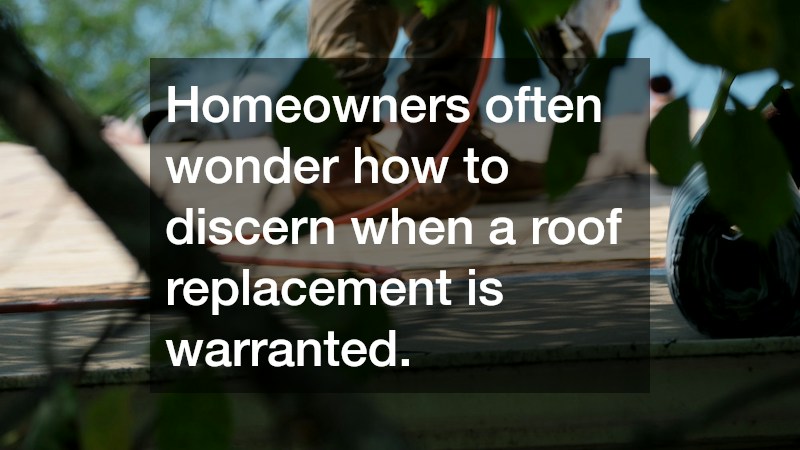
Homeowners often wonder how to discern when a roof replacement is warranted. One common indicator is visible damage, such as cracked or missing shingles, which can compromise the roof’s ability to repel water and insulate effectively. Age is another crucial factor; roofs nearing or surpassing 20 years may show signs of wear that necessitate replacement. Leaks can also signal serious underlying issues, often only resolvable through a new installation. Regular inspections, ideally biannually, help in early detection of problems, enabling timely interventions.
Besides visual cues, certain conditions inside the home can suggest roof problems. For instance, discoloration or water spots on the ceiling point towards potential leaks, which could stem from deteriorated roofing materials. A musty scent or increased humidity within the home can also indicate roofing issues as moisture seeps through ineffective shingles. Furthermore, inspecting attic insulation can reveal water damage or mold, both of which signal compromised roofing. Addressing these concerns promptly can avert more extensive damage and costly repairs in the future.
It is also vital to consider the roof’s resilience in the face of severe weather conditions. After heavy storms or high winds, check for damaged flashing or granule loss from asphalt shingles. Such incidents can accelerate the aging process of roofing and increase vulnerability to leaks and energy inefficiency. An experienced roofer can assess whether a patch-up job would suffice or if a full replacement is more prudent. In cases of substantial damage, replacement ensures the home’s value and safety are not undermined.
What Steps Are Involved in the Roof Replacement Process?
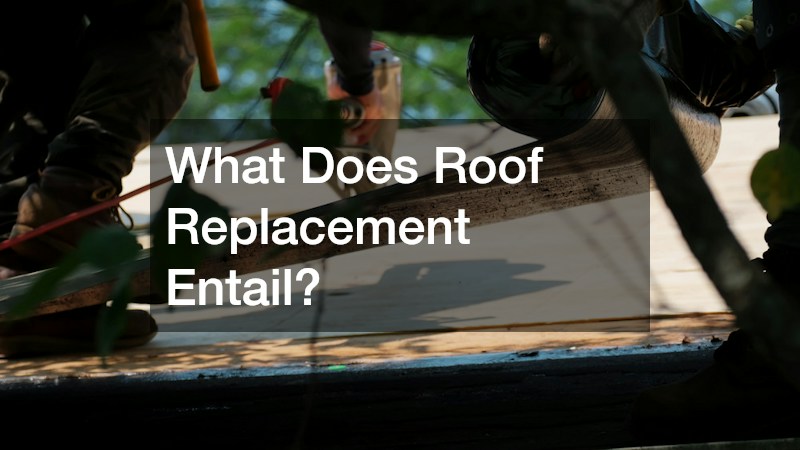
The roof replacement process commences with a comprehensive inspection and assessment. A professional roofing contractor evaluates the current roof condition, noting damages, material quality, and potential areas susceptible to leaks. Once inspected, a detailed estimate and project outline are provided to the homeowner, laying out cost, materials, and timelines. The homeowner’s input is crucial to finalize decisions on materials and design preferences. This initial phase lays the groundwork for a smooth and efficient replacement operation.
Preparation is critical once the assessment concludes, involving the choice of materials and scheduling. The removal of the old roof is a meticulous process that requires ensuring safety and minimizing debris impact on the property. Protecting landscaping and exterior walls during this stage is critical for reducing potential property damage. Post-clearance, any structural repairs needed on the underlying deck are addressed. The installation of the new roofing materials follows, adhering strictly to manufacturer guidelines to secure future longevity and resilience.
Following installation, the final phases include thorough inspections and cleanup. The roofing contractor conducts a quality assurance check to ensure the roof is installed correctly and meets all safety and quality standards. Cleanup involves the removal of leftover materials and ensuring the premises are restored to their pre-project condition. A discussion about maintenance practices and warranty coverage is also conducted with the homeowner.
How Much Does Roof Replacement Cost?
Estimating roof replacement costs involves various factors, key among them being the size of the roof. Larger roofs demand more materials and labor, making them costlier to replace. Material choice is another significant determinant; premium materials like slate or metal entail higher costs compared to asphalt shingles. Complexity and accessibility of the roof, such as steeper slopes or intricate designs, can also increase labor expenses due to the added difficulty in maneuvering. Homeowners are encouraged to obtain multiple quotes to gauge fair pricing and identify suitable budget plans.
Regional variations can influence overall roofing costs, with metropolitan areas typically experiencing higher prices due to labor rates and material accessibility. Additionally, factors such as climate play a role as roofs in naturally harsher environments might require specialized materials that can withstand extreme conditions. Quality should never be compromised; investing in durable materials and skilled workmanship can prevent frequent repairs and extend the roof’s service life.
Roof replacement is a significant undertaking that plays a critical role in maintaining the integrity and functionality of a home. Awareness of the signs necessitating replacement, such as age and visible damage, can prevent more serious issues from developing. Understanding the steps and processes involved equips homeowners to choose the right materials and contractors, ensuring efficient and effective replacements. A thorough assessment and cost considerations help avoid unpleasant surprises and make budgeting more manageable. Ultimately, proactive roof maintenance and replacement fortify the home’s structure and value, securing it against environmental challenges and enhancing its aesthetic appeal.