
A hairline crack in the ceiling or a musty smell in the basement can seem like minor annoyances, but these small signs often point to much bigger issues hiding behind your walls, under your foundation, or above your roofline. Homeowners who catch these patterns early save thousands of dollars and avoid emergency repairs down the road. This article walks through the most common damage patterns in homes and explains what they usually mean, so you know when a quick fix is enough and when it is time to call in a specialist.
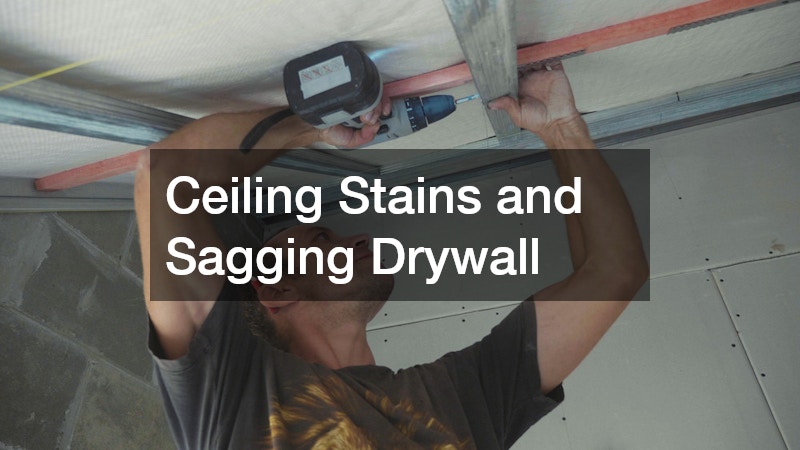
Ceiling Stains and Sagging Drywall
Brownish rings on your ceiling or drywall that feels soft to the touch almost always mean water has been traveling somewhere it should not be. These stains rarely appear the first time water intrudes; by the time you see discoloration, the leak has usually been active for weeks or months. The source could be a roof flashing failure, a slow plumbing leak in the floor above, or condensation building up in an attic with poor ventilation.
If the stain keeps spreading or reappears after painting over it, do not just treat the cosmetic symptom. Persistent moisture behind drywall can lead to mold growth and weakened structural framing if left unaddressed. In many cases, working with water damage restoration professionals early prevents the need for a full ceiling replacement later.
Cracked or Buckled Exterior Siding
- Horizontal cracking near window and door frames
- Bubbling or peeling paint on siding panels
- Panels that feel soft or spongy when pressed
- Visible gaps where siding meets the foundation
Cracked siding is often dismissed as normal wear from sun exposure, but it can also signal moisture trapped underneath the exterior cladding. When water gets behind siding panels, it can rot the sheathing and framing before any interior damage becomes visible. Homeowners sometimes wait until siding looks obviously damaged, but by then the underlying structure may already be compromised.
Reputable siding companies will inspect the house wrap and flashing underneath the panels, not just replace the visible surface material. If your siding is buckling in a wave pattern, this often means moisture or heat is trapped and expanding behind it. Addressing the root cause now is far cheaper than repairing rotted wall framing later.
Uneven Floors and Door Frames That No Longer Close Right
A door that suddenly sticks, or a floor that feels like it slopes toward one corner of a room, is one of the clearest signs of foundation movement. Small seasonal shifts are normal in most homes, but consistent, one-directional sloping usually points to settling, soil erosion, or a moisture problem beneath the foundation. This is especially common in homes built on expansive clay soils that swell and shrink with changes in moisture.
Pay attention to whether the issue is isolated to one room or spread throughout the house, since this affects how serious the underlying cause might be.
- Doors that stick only in humid weather may indicate wood swelling, not foundation issues
- Cracks that run diagonally from door and window corners often indicate settling
- Floors that bounce or feel spongy suggest joist damage, not just settling
- A consistent slope across multiple rooms suggests a foundation-wide issue
Recurring Basement Moisture and Musty Odors
A basement that smells musty after every rainstorm is telling you that water is finding its way in, even if you never see standing water. This pattern often traces back to poor grading around the foundation, a clogged perimeter drain, or gutters that are dumping water too close to the house. Persistent dampness also creates ideal conditions for mold, which can spread into wall cavities and stored belongings before anyone notices.
If dehumidifiers and paint sealants only mask the smell temporarily, the moisture source needs to be identified rather than managed. Correcting grading and drainage around the exterior often solves the problem faster and cheaper than any interior fix.
Gutter Overflow and Fascia Board Rot
Watch what happens to your gutters during a heavy rain. If water is spilling over the sides instead of flowing through the downspouts, the system is clogged, undersized, or pitched incorrectly. Left unresolved, overflowing water runs straight down your siding and pools at the foundation, contributing to many of the moisture problems described earlier in this article.
Soft, discolored, or peeling fascia boards behind the gutter line are a strong sign that water has been sitting in the gutter system for a long time. Scheduling gutter repairs before this wood rot spreads can prevent the need to replace the entire roof edge. Regular cleaning twice a year, especially after leaf drop in autumn, keeps this problem from developing in the first place.
Roof Shingle Granule Loss and Curling Edges
- Dark, sandy grit collecting in gutters or at downspout outlets
- Shingles that curl upward at the corners
- Bald patches where the protective granule layer has worn away
- Cracked or missing shingles after storms with high wind
Every asphalt shingle loses some granules over time, but heavy accumulation in your gutters is a sign your roof is aging faster than it should. Curling or cupping shingles mean the roofing material has lost its flexibility and is no longer sealing properly against wind and rain. These patterns often show up years before an actual leak develops, giving homeowners a valuable early warning if they know what to look for.
Getting a professional opinion from roofing companies before a leak actually appears can extend the life of your roof by catching failures early. Many roofing warranties also require documented inspections after major storms, so a pattern of damage is worth photographing and recording.
Sudden Spikes in Heating and Cooling Bills
If your energy bills have climbed noticeably without a change in usage, your home may be losing conditioned air through leaky ductwork, poor insulation, or an aging furnace working harder than it should. Homes with inconsistent temperatures between rooms often have duct leaks or blocked vents rather than a full system failure. Rattling, banging, or short-cycling noises from your furnace are also worth noting, since they often precede a bigger breakdown.
Scheduling furnace repairs at the first sign of strange noises or inconsistent heating is almost always cheaper than waiting for a full system failure in the middle of winter. A technician can also check whether ductwork, insulation, or the thermostat itself is contributing to the spike in your bills.

Slow Drains and Recurring Clogs Throughout the House
One slow drain is usually a local clog, but slow drains in multiple locations at once often point to a deeper blockage in the main sewer line. This pattern is especially concerning if it comes with gurgling sounds from other fixtures when you run water or flush a toilet. The gurgling happens because trapped air has nowhere else to go once the main line is partially obstructed, so it pushes back up through your plumbing system. Tree roots infiltrating older clay or cast iron pipes are one of the most common causes of this widespread slow-drain pattern, especially in homes over 30 years old. Roots seek out moisture and can wriggle through tiny cracks or joint gaps, then expand until they choke off flow almost entirely.
Other frequent culprits include collapsed or bellied pipe sections, grease buildup from kitchen drains, and old pipes that have simply narrowed with decades of mineral scale. Pay attention to which fixtures are affected and when. If your lowest drain, often a basement floor drain or the tub, backs up first while others still work, that’s a classic sign the problem sits deep in the main line rather than in any single branch. A plumber can confirm the cause with a camera inspection, which is far cheaper than guessing and repeatedly snaking individual drains that will just clog again.
When one drain runs slow, it’s usually a local clog. But when sinks, tubs, and toilets across the entire house all back up around the same time, that’s a strong sign the problem lies in the main sewer line rather than in any single fixture. This pattern often points to a blockage, a collapsed section of pipe, or roots growing into the line from outside. Licensed plumbers can run a camera scope through the main line to identify exactly where the blockage or root intrusion is occurring, often pinpointing the problem within a few feet. This inspection typically reveals whether the culprit is grease buildup, a bellied pipe, a cracked joint, or roots that have worked their way through old clay or cast-iron piping. Knowing the exact cause and location matters, since it determines whether a simple hydro-jetting will fix the issue or whether a section of pipe needs to be excavated and replaced.
If tree roots are the culprit, coordinating with tree removal services to address the source above ground can prevent the same pipe damage from recurring after a repair. Roots are drawn to the moisture and nutrients inside sewer lines, and even a hairline crack can invite regrowth within a year or two of a repair. Removing or relocating the offending tree, or at minimum trimming back aggressive root systems, protects the investment made in fixing the pipe itself.
Overhead Garage Door Misalignment and Unusual Noise
A garage door that grinds, jerks, or hangs unevenly when opening is often responding to changes in the surrounding structure, not just wear on its own parts. Tracks that have pulled away from the frame, or a door that no longer sits flush against the weather seal, can indicate the garage’s framing has shifted slightly over time. Since garage doors are among the largest moving parts of a home, small alignment issues tend to get worse quickly rather than resolve on their own.
Scheduling overhead door repair as soon as you notice grinding noises or uneven movement helps avoid a full spring or cable failure, which can be both costly and dangerous. A technician inspecting the door can also flag whether the surrounding frame or foundation nearby is contributing to the misalignment.
Pool Deck Cracking and Water Loss Around Backyard Features
A swimming pool that seems to lose water faster than evaporation alone can explain may have a crack in the shell, a failing skimmer line, or plumbing beneath the deck that has shifted with the soil. A simple bucket test can help confirm suspicions: mark the water level, then mark the level in a water-filled bucket sitting on the pool step, and compare the two after 24 hours. If the pool has dropped noticeably more than the bucket, the loss is likely structural rather than environmental. Cracking concrete around the pool deck often develops for the same soil movement reasons that cause foundation issues inside the house.
Expansive clay soils swell when saturated and shrink during dry spells, and a pool deck poured on an unstable base will telegraph that movement as spider cracks, heaving slabs, or gaps where the deck pulls away from the coping. Cracks wider than a quarter inch, or ones that keep reopening after patching, usually point to ongoing settlement rather than simple surface wear. Because these systems sit on the same ground as your home, backyard drainage problems and structural issues are frequently connected.

A pool that constantly weeps water into the surrounding soil can saturate the ground near your foundation, especially if the pool sits within 10 to 15 feet of the house. Conversely, poor grading or a clogged drain line near the pool can funnel runoff back toward your home’s footing, so a full diagnosis often needs to look at both structures together rather than treating the pool as an isolated repair.
Cracks radiating across a pool deck or gaps forming where the concrete meets the coping are rarely just cosmetic issues. They often signal soil settling, plumbing leaks beneath the slab, or freeze-thaw damage that’s compromising the structure underneath. The classic “bucket test” — comparing water loss inside a bucket set on the pool step against the pool’s own water level over 24 hours — can help you determine whether you’re dealing with normal evaporation or something more serious. If your pool is losing more than an inch of water per week and evaporation doesn’t account for it, it’s time to call in professionals. Experienced swimming pool contractors can run a pressure test on the plumbing lines to rule out a hidden leak before assuming the water loss is simply evaporation. They can also use dye testing around skimmers, lights, and return jets to pinpoint exactly where water is escaping, since even a pinhole leak in a buried line can waste thousands of gallons a month.
Keeping up with routine maintenance, including chemical balance and filter care from a good pool supply retailer, also helps you notice unusual changes in water level sooner rather than later. Test strips and a simple maintenance log let you track pH, chlorine, and water level trends over time, making sudden drops easier to spot. Many pool supply stores also offer free water testing and can flag early warning signs, like unusually high calcium levels that hint at concrete erosion, before they turn into costly structural repairs.
None of these damage patterns should be ignored simply because they seem small or cosmetic at first glance. Recognizing what stained ceilings, sticking doors, overflowing gutters, and rising energy bills have in common gives you the power to act before a minor issue becomes a major expense. Start by walking through your home and yard with this list in hand, noting anything that matches these patterns, then bring in the right professional to confirm the cause and fix it at the source.