A home depends on several interconnected systems to remain comfortable, safe, and functional. Roofing, heating and cooling equipment, plumbing, electrical components, and outdoor amenities all require regular attention to operate reliably. Although many homeowners expect these systems to work without problems, everyday wear, aging components, weather exposure, and neglected maintenance can gradually lead to failures.
Recognizing early warning signs helps homeowners address developing issues before they cause extensive property damage, expensive repairs, or unexpected disruptions. Unusual noises, inconsistent performance, unexplained increases in utility bills, and visible damage can all indicate that something needs attention. By learning what to look for and understanding when professional assistance is necessary, homeowners can make informed maintenance decisions and protect their investments.
Inspect Your Roof for Subtle Signs of Water Damage
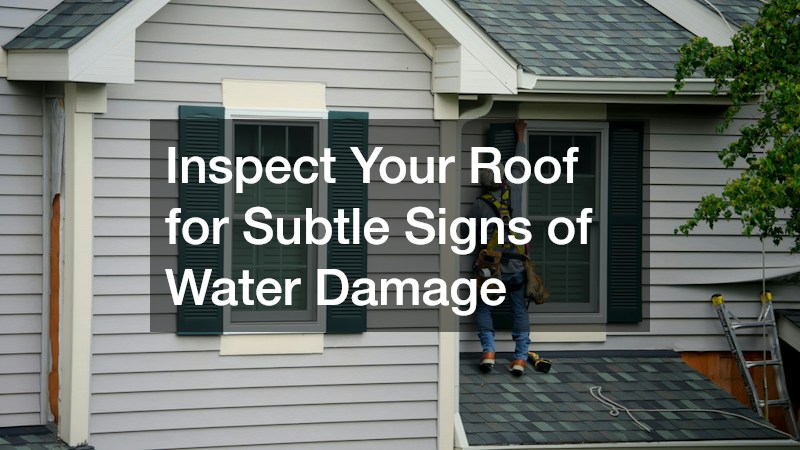
Roofing problems do not always begin with an obvious leak. Small changes in shingle condition, flashing, or drainage can allow moisture to enter the home long before water appears on interior surfaces. Regular visual inspections help homeowners identify deterioration before it affects insulation, ceilings, walls, and structural components.
Start by examining the roof from the ground using binoculars when necessary. Look for missing shingles, uneven sections, damaged flashing around chimneys, and debris collecting in valleys. After heavy rain or strong winds, check whether shingles appear displaced or whether gutters contain an unusual amount of roofing granules.
Inside the home, inspect ceilings, upper-floor walls, and attic spaces for discoloration, damp insulation, musty odors, or daylight visible through the roof boards. These signs may indicate moisture intrusion that requires professional evaluation.
Homeowners should watch for the following warning signs:
- Curling or cracked shingles: Aging materials may no longer provide reliable protection against rain and wind.
- Water stains: Brown or yellow marks on ceilings can indicate an active leak or previous moisture damage.
- Damaged flashing: Loose or deteriorated seals around roof penetrations can create entry points for water.
- Granules in gutters: Excessive accumulation may suggest that shingles are losing their protective surface.
Scheduling roof repair when these problems first appear can help prevent water damage from spreading. Asphalt roofing also deserves particular attention because damaged or deteriorating shingles can compromise the roof’s protective layers. Professional asphalt roof repair may be appropriate when shingles crack, loosen, or develop localized damage.
Avoid climbing onto a steep, wet, or damaged roof. A qualified roofing professional can safely inspect difficult areas and determine whether localized repairs or more extensive work are necessary.
Watch for Changes in Indoor Comfort and Airflow
Heating and cooling systems often provide clues when their performance begins to decline. A home that suddenly develops hot and cold spots, takes longer to reach the desired temperature, or experiences unusually high energy bills may have a problem with its equipment.
Begin with simple checks. Confirm that the thermostat is set correctly, replace dirty air filters according to manufacturer recommendations, and make sure furniture or other objects are not blocking supply vents. Check that accessible return grilles remain unobstructed, since restricted airflow can reduce efficiency and place additional strain on equipment.
If these steps do not resolve the problem, a professional inspection may be necessary. HVAC system repair can address issues with blower motors, electrical components, refrigerant systems, sensors, and other components.
Cooling equipment has several additional warning signs to monitor:
- Warm air is coming from the vents when the cooling is running.
- Ice forming on accessible refrigerant lines or indoor equipment.
- Water is collecting around the indoor unit.
- Unusual buzzing, grinding, or rattling sounds.
- Frequent cycling or difficulty maintaining the thermostat setting.
These symptoms may indicate a need for AC repairs, although several different underlying problems can produce similar symptoms. For example, ice may result from restricted airflow or a refrigerant issue rather than simply low outdoor temperatures.
Homeowners should avoid opening sealed equipment compartments or handling refrigerant lines. Turn off the equipment if there are signs of electrical damage, burning odors, or significant water leakage, and arrange professional assistance.
Identify Plumbing and Wastewater Problems Before They Escalate

Plumbing and wastewater systems can develop problems that remain hidden until several fixtures stop working properly. Paying attention to drainage patterns, odors, water pressure, and changes around outdoor equipment can help homeowners identify developing failures.
A single slow drain may result from a localized blockage. However, when multiple sinks, toilets, or showers drain slowly at the same time, the problem could involve a larger drain line or the home’s wastewater system. Gurgling sounds, sewage odors, and water backing up into fixtures also deserve prompt attention.
Septic system warning signs may include unusually wet ground near the drain field, sewage odors outside, or wastewater surfacing in the yard. These conditions can indicate a malfunctioning component, a drainage problem, or an overloaded system. Professional septic repairs may be needed to identify and correct the cause.
Avoid driving or parking over the drain field, adding unapproved chemicals to the system, or attempting to open septic tanks. If sewage backs up into the home, reduce water use and contact a qualified septic professional.
Homes that rely on private wells should also be monitored for changes in water delivery. Common warning signs include:
- Faucets are sputtering or producing inconsistent water pressure.
- Water flow stops unexpectedly.
- Unusual clicking, grinding, or humming near the pump.
- A pump that runs continuously or cycles on and off repeatedly.
Persistent problems may indicate that well pump repairs are necessary. Pressure tank issues, electrical faults, damaged plumbing, or declining water levels can produce similar symptoms, so professional diagnosis is important. If water quality changes noticeably, arrange appropriate testing rather than assuming the pump is responsible.
Recognize Water Heater Problems Before Hot Water Fails
Water heaters often show signs of deterioration before they stop providing hot water. Changes in temperature, unusual noises, visible corrosion, and moisture around the equipment can indicate developing problems that deserve attention.
Begin by observing whether hot water takes longer to arrive, runs out unusually quickly, or fluctuates between hot and cold. These symptoms can result from sediment buildup, a failing heating element, thermostat problems, or a unit that no longer meets household demand.
Listen for popping, rumbling, or knocking sounds during operation. In storage-tank models, sediment can accumulate at the bottom, interfering with efficient heating. A professional can determine whether maintenance, flushing, component replacement, or another solution is appropriate for the specific unit.
Look around the base of the tank and nearby fittings for rust, water droplets, or dampness on the floor. A small leak at a connection may be repairable, while corrosion through the tank itself can indicate that replacement is necessary. Professional water heater repair can help identify the source before a minor leak causes more extensive damage.
Homeowners should also watch for these concerns:
- Rust-colored hot water that persists after briefly running the tap.
- Repeated pilot-light problems on applicable gas models.
- Water that becomes excessively hot or fails to reach a comfortable temperature.
- Visible corrosion around valves, fittings, or the tank.
Never remove sealed panels or attempt gas-line repairs without the appropriate qualifications. If you smell gas, leave the area without operating switches or creating sparks, and contact the gas utility or emergency services from a safe location.
Catch Heating and Electrical Issues Before They Become Safety Hazards
Heating equipment can gradually lose performance as filters become clogged, components wear out, or controls malfunction. During colder months, pay attention to rooms that remain chilly, furnaces that repeatedly start and stop, and equipment that makes unfamiliar banging or grinding sounds.
Check thermostat settings and replace accessible filters when needed. If the system continues to struggle, a technician can inspect ignition components, airflow, motors, controls, and other potential causes. Timely heating repairs may restore performance and help prevent a developing mechanical problem from causing a complete loss of heat.
Electrical problems require particular caution because some warning signs indicate immediate hazards. Flickering lights may result from a loose bulb, but repeated flickering across several rooms could indicate a circuit or wiring issue. Frequently tripped breakers, buzzing outlets, warm switch plates, and burning odors should never be dismissed.
Watch for these electrical warning signs:
- Breakers that trip repeatedly under ordinary household use.
- Outlets that feel unusually warm or show discoloration.
- Buzzing, crackling, or popping sounds near switches or receptacles.
- Lights that dim significantly when appliances start.
- Burning or melting plastic odors near electrical equipment.
These symptoms may require professional electrical repair. Do not repeatedly reset a breaker that keeps tripping, overload extension cords, or remove electrical panel covers to investigate the problem yourself.
If you see sparks, smoke, or signs of an active electrical fire, move away and contact emergency services when necessary. Never use water on an electrical fire. Addressing electrical and heating concerns promptly helps protect occupants and reduces the risk of equipment damage or dangerous failures.
Look for Equipment Changes Around Pools and Outdoor Systems
Outdoor equipment is exposed to changing temperatures, moisture, debris, and frequent use. As a result, pumps, filters, hoses, and other components may show signs of wear before a complete failure occurs.
For swimming pools, monitor water levels, circulation, clarity, and equipment noise. A small amount of water loss may occur through evaporation, but a sudden or continuing decline can indicate a leak. Cloudy water, weak return flow, unusual pump sounds, or repeated changes in filter pressure may point to circulation or filtration problems.
Check accessible pump baskets, visible connections, and equipment pads for debris, cracks, or moisture. Follow the manufacturer’s instructions for routine maintenance, and disconnect power as directed before servicing the equipment. Do not open electrical components or work on energized pool equipment.
Professional pool repair may be necessary when pumps leak, motors make persistent grinding noises, circulation remains weak, or equipment repeatedly shuts down. Poor circulation can affect water quality and make it more difficult to maintain an appropriate chemical balance.
Also, inspect outdoor drainage areas after heavy rain. Water collecting near the foundation, unusual wet patches, or erosion around buried utility lines may indicate drainage issues or equipment leaks. Investigating these changes early can help prevent damage to landscaping, foundations, and nearby structures.
Create a Routine Inspection Schedule and Track Changes

Regular inspections make it easier to recognize changes that might otherwise go unnoticed. Rather than waiting for a system to stop working, establish a simple schedule that covers accessible household equipment and visible areas of the property.
A monthly walkthrough can include checking ceilings for stains, looking beneath sinks for leaks, listening to operating equipment, and observing changes in water pressure or indoor temperatures. Seasonal inspections can focus on preparing heating and cooling equipment for periods of heavier use, checking exterior drainage, and examining areas exposed to severe weather.
Keep a maintenance log that records observations, service dates, equipment age when known, and unusual changes in utility costs. Photographs can help document developing stains, corrosion, or exterior damage. Comparing observations over time may reveal a gradual problem that would be difficult to recognize during a single inspection.
When prioritizing maintenance, consider three factors:
- Safety: Address electrical hazards, suspected gas leaks, sewage exposure, and other immediate risks first.
- Potential damage: Give attention to active water leaks, roof deterioration, and drainage issues that could affect structural materials.
- System reliability: Investigate recurring noises, inconsistent temperatures, and declining performance before equipment stops working.
Homeowners can handle many basic visual checks, but complex diagnostics should be left to qualified professionals. Follow manufacturer maintenance recommendations and keep records of completed work. A consistent approach helps technicians understand recurring symptoms and may make troubleshooting more efficient.
Recognizing early warning signs is one of the most practical ways to protect a home from preventable damage and unexpected system failures. Changes in appearance, sound, temperature, water flow, and energy consumption can provide valuable clues when something is not operating as it should.
By inspecting accessible areas regularly, documenting unusual changes, and responding promptly to developing concerns, homeowners can make better maintenance decisions and reduce unnecessary disruptions. Basic upkeep is valuable, but safety should always guide the next step. When a problem persists, involves complex equipment, or presents a potential hazard, seek help from a qualified professional. Consistent attention to household systems supports a safer, more comfortable home and helps preserve its long-term condition.