
A sputtering faucet or a sudden drop in water pressure can feel like a minor inconvenience, but for homeowners who rely on a private well, these small symptoms sometimes point to much bigger problems underground. Knowing the difference between a simple fix and a sign of serious system failure can save you thousands of dollars and weeks of frustration. This guide walks through the most telling warning signs, so you can figure out whether your well needs a quick tune-up or a much closer look.
Water Pressure That Won’t Stay Stable
Fluctuating water pressure is one of the most common complaints from well owners, and it can stem from several different causes. Sometimes it is as simple as a waterlogged pressure tank, but other times it signals a failing pressure switch or a pump that is struggling to keep up with demand. If you notice pressure swings that happen throughout the day rather than just once, the problem is likely mechanical rather than incidental.
Ignoring inconsistent pressure often leads to bigger issues down the line, including premature wear on appliances and fixtures. A qualified technician can pinpoint whether the fluctuation is coming from the tank, the switch, or the pump itself. Getting a professional evaluation early on tends to be far less expensive than waiting until the system fails completely.
- Pressure that spikes then drops within seconds of turning on a faucet
- Water flow that weakens noticeably during showers or laundry cycles
- Frequent short cycling, where the pump turns on and off rapidly
- Pressure gauge readings that vary by more than 10 psi throughout the day
Cloudy, Discolored, or Gritty Water

Clear water suddenly turning cloudy, rusty, or sandy is rarely a cosmetic issue alone. Sediment in your water can indicate that the well casing has cracked, that the screen has degraded, or that the water table has dropped enough to pull in debris from the bottom of the well. In some cases, it simply means a filter needs changing, but persistent grit is a signal worth taking seriously.
Color changes matter too. Reddish-brown water often points to iron or rust from aging pipes or a failing pump component, while cloudy white water can indicate trapped air in the system. Tracking when the discoloration happens, such as only after heavy rain, can help a professional diagnose the root cause faster.
- Sand or grit settling at the bottom of a glass of water
- Water that looks clear at first but clouds up after sitting
- A metallic taste or smell accompanying discoloration
- Discoloration that worsens after periods of heavy water use
Unusual Noises Coming From the Pump or Pressure Tank
A well system should run relatively quietly, so grinding, clanking, or humming noises are worth paying attention to. These sounds often mean the motor bearings are wearing out or that the pump is working harder than it should to draw water. Left unaddressed, this kind of strain typically shortens the lifespan of the entire unit.
In many cases, unusual noise is one of the earliest signs that well pump repair is needed before a complete breakdown occurs. Catching the issue at this stage often means a technician can replace a single worn part rather than the whole pump assembly. Waiting until the noise turns into silence, meaning the pump has stopped altogether, usually results in a more expensive and urgent repair.
- A high-pitched whine when the pump kicks on
- Rhythmic clunking that increases in frequency over time
- Rattling from the pressure tank during water use
- Sudden silence after a period of loud operation, suggesting a stalled motor
A Noticeable Drop in Well Output
If your well seems to be producing less water than it used to, especially during dry months, it could mean the aquifer feeding your well has dropped or that the well itself is aging. Older wells, particularly those drilled decades ago, were often not dug as deep as current standards recommend, making them more vulnerable to seasonal fluctuations. A steady decline over several months is different from a temporary dip after a dry spell and should not be ignored.
When output continues to shrink despite normal rainfall, it may be time to consider whether the well needs to be deepened or replaced entirely. This is one of the few situations where professional well drilling becomes a realistic solution rather than a repair. A hydrogeological assessment can determine whether drilling a new well or deepening the existing one will restore reliable output.
- Water that runs out faster than it used to during normal household use
- Toilets that take longer to refill after flushing
- Visible drop in static water level when measured with a sounding tube
- Neighboring wells experiencing similar output declines, indicating a falling water table
Frequent Repairs That Never Seem to Solve the Problem
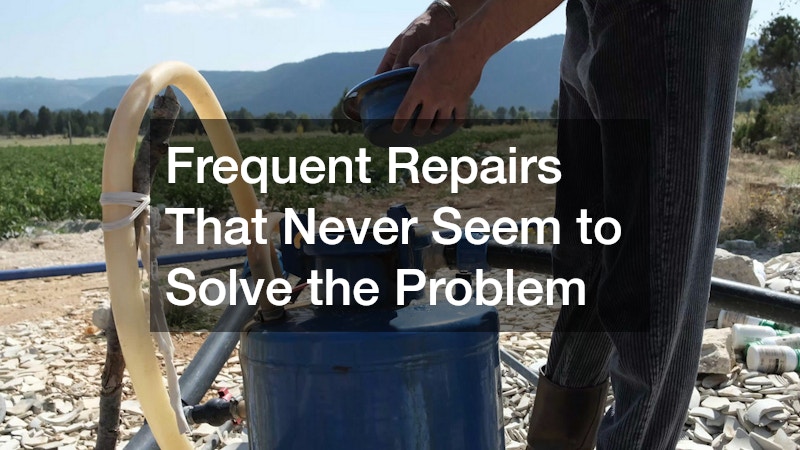
If you find yourself calling for help every few months and the same symptoms keep returning, that pattern itself is a warning sign. A well system that requires constant attention is often telling you that a component is failing gradually rather than all at once, or that an underlying issue has never been properly diagnosed. At this point, it is worth stepping back and asking whether ongoing patchwork is actually cheaper than addressing the core problem.
Comprehensive well pump services can include a full system inspection that looks beyond the immediate complaint to check wiring, tank pressure, and pump condition together. This kind of thorough assessment often reveals whether age, corrosion, or a mismatched pump size is behind the repeated failures. Homeowners who invest in one detailed inspection often save money compared to a string of smaller service calls that only treat symptoms.
- Three or more service calls within a single year for the same complaint
- Repairs that fix the issue for only a few weeks at a time
- A pump nearing or exceeding its expected 8 to 15 year lifespan
- Rising utility bills without a clear explanation, suggesting the pump is overworking
Recognizing these warning signs early puts you in a much stronger position, whether that means scheduling a straightforward repair or planning for a bigger investment down the road. Trust patterns over isolated incidents, and do not dismiss recurring issues as bad luck. A qualified well professional can assess your specific situation and help you decide the smartest next step for your home and budget.