A small crack in the drywall or a faint water stain on the ceiling can look harmless, but structural damage rarely stays small for long. What starts as a minor issue in one part of your home can quietly spread to the foundation, framing, roofline, or plumbing system within months, not years. Understanding how and why damage accelerates can help you catch problems early, protect your investment, and avoid the kind of repair bills that grow exponentially with time. This guide breaks down the most common ways structural issues escalate and what homeowners can do at each stage to stay ahead of them.
Roof Leaks That Travel Into the Attic and Walls
A missing shingle or cracked flashing rarely causes damage only where the leak enters. Water follows gravity and the path of least resistance, meaning it can travel several feet from the original entry point before it ever shows up as a stain on your ceiling. By the time you notice discoloration, the moisture may have already soaked into attic insulation, framing, and wall cavities.
Calling a roofer at the first sign of a leak, rather than waiting for visible interior damage, is one of the most effective ways to stop this chain reaction. A professional inspection can identify weak points in underlayment or flashing that are invisible from the ground.
- Check attic spaces after heavy storms for damp insulation or dark spots on rafters
- Look for peeling paint or bubbling drywall near exterior walls
- Address small leaks within days, not weeks, to limit spread
- Keep gutters clear so water does not back up under roofing materials
Hidden Plumbing Failures Behind Walls and Floors

Plumbing leaks are notorious for causing damage far beyond the pipe itself. Water seeping from a joint inside a wall can rot framing, warp subflooring, and feed mold growth long before a homeowner notices a drop in water pressure or a musty smell. The longer a leak goes unaddressed, the more surface area becomes compromised.
Aging water heaters are a frequent culprit, since tanks can develop slow leaks at the base or fittings that go unnoticed until water has already pooled under flooring. Scheduling routine water heater service helps catch corrosion, sediment buildup, and failing valves before they turn into a burst tank and a much larger repair project.
- Inspect exposed pipes under sinks and in basements every few months
- Watch for unexplained increases in your water bill
- Listen for dripping sounds inside walls, especially at night
- Replace water heaters nearing the end of their typical 8 to 12 year lifespan
Moisture Buildup From Poor Insulation and Ventilation
Insulation does more than regulate temperature; it also controls where moisture condenses inside your home’s structure. When insulation is old, gapped, or improperly installed, warm and cool air meet at the wrong points, creating condensation that seeps into wood framing and drywall. Over time, this trapped moisture weakens structural components from the inside out, often without any visible warning on painted surfaces.
Many homeowners upgrading older homes choose spray foam insulation specifically because it creates a tighter seal and reduces the air gaps where condensation typically forms. Unlike traditional batt insulation, it expands to fill small cracks and crevices that are otherwise nearly impossible to seal manually, which helps prevent the slow moisture accumulation that leads to rot.
- Check attic and crawlspace insulation for dampness or mildew smell
- Ensure bathroom and kitchen exhaust fans vent outside, not into the attic
- Look for frost or condensation on interior surfaces during winter months
- Consider a moisture barrier in crawlspaces prone to humidity
HVAC Condensation and Its Effect on Framing and Drywall
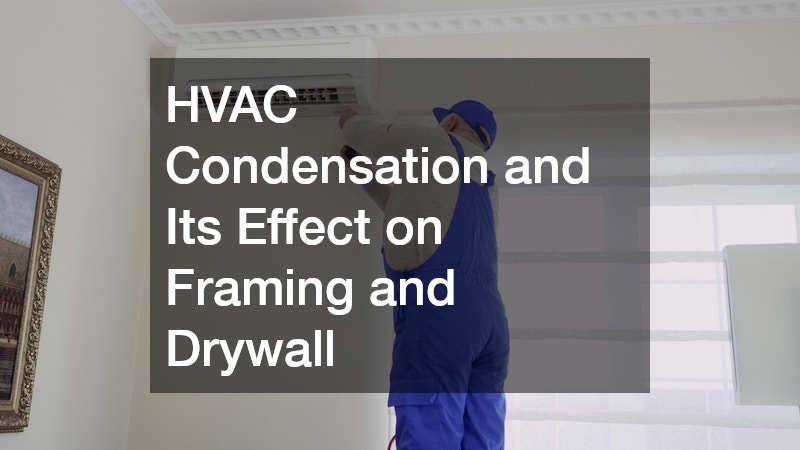
Air conditioning systems produce a surprising amount of condensation, and when drain lines clog or units are poorly maintained, that water has to go somewhere. Ceilings below attic-installed units are especially vulnerable, since a slow drip can saturate insulation and drywall for weeks before a stain becomes visible. This kind of damage often spreads horizontally across ceiling joists before it ever shows up as a spot on the ceiling below.
Working with a reputable AC company for annual maintenance is one of the simplest ways to prevent this scenario. Technicians can flush drain lines, check for rust on the condensate pan, and catch small refrigerant or airflow issues before they force the system to overwork and sweat excessively.
- Schedule HVAC maintenance twice a year, ideally spring and fall
- Check condensate drain lines for algae or debris buildup
- Watch for musty odors near vents, which can signal trapped moisture
- Replace air filters regularly to reduce strain on the system
Bathroom Water Damage That Undermines Subfloors
Bathrooms combine high moisture exposure with daily water use, making them one of the fastest places for structural damage to spread if something goes wrong. A leaking shower pan, failing caulk around a tub, or a loose toilet seal can send water underneath tile and into the subfloor for months without any obvious sign. Once subflooring absorbs enough water, it can soften, warp, and eventually lead to sagging or spongy spots underfoot.
Experienced bathroom remodeling contractors often find far more extensive damage than expected once they open up walls or pull up flooring during a renovation. What looks like a simple cosmetic update can reveal rotted joists or mold colonies that have been spreading unseen, which is why addressing small leaks early is so much cheaper than waiting for a full remodel to uncover the problem.
- Re-caulk around tubs and showers at the first sign of cracking or gaps
- Check under the toilet base for soft or discolored flooring
- Test shower pans for leaks before tiling over old installations
- Address any lingering musty smell in bathrooms promptly
Deck and Porch Structures Weakened by Weather Exposure

Outdoor structures take a constant beating from rain, sun, and temperature swings, which makes them prime candidates for hidden structural decay. Ledger boards, the component that attaches a deck to the house, are especially prone to rot when flashing fails and water seeps into the connection point. Because this area is often hidden behind siding or decking boards, homeowners frequently do not notice the damage until the structure feels unstable.
Regular inspection of decks should include checking for soft spots, rusted fasteners, and gaps where water can collect against wood. A deck that seems fine on the surface can have compromised support posts or joists underneath, which is why professional inspections every few years are worth the investment, particularly for structures more than a decade old.
- Inspect ledger board connections annually for signs of rot
- Check support posts for soft, spongy wood at the base
- Reseal or stain wood decking every 1 to 2 years depending on climate
- Look for rust stains around fasteners, which can indicate trapped moisture
Countertop and Cabinet Stress From Structural Shifts
Structural movement in a home does not always show up first in walls or floors. Sometimes the earliest sign is a granite countertop that develops a hairline crack or begins to separate slightly from the wall, which can indicate that cabinetry or the subfloor beneath it has shifted. Because natural stone is rigid and heavy, it tends to reveal stress in the surrounding structure faster than more flexible materials would.
If a countertop starts pulling away from a backsplash or a cabinet door no longer closes properly, it is worth investigating whether the issue is isolated or connected to a larger settling problem in the foundation. Catching this early can prevent a cosmetic issue from becoming a much larger renovation involving cabinetry, flooring, and structural supports.
- Watch for new gaps between countertops and backsplashes
- Check cabinet doors and drawers for sudden misalignment
- Note any cracking near seams in stone or engineered surfaces
- Investigate further if multiple rooms show similar shifting signs
Storage and Renovation Projects That Reveal Hidden Damage

Home organization projects often become the moment homeowners discover structural problems they never knew existed. Installing custom closets, for example, frequently involves opening up wall space or adjusting framing, which can expose water stains, mold, or insect damage that had been growing behind the drywall for years. These projects are a useful opportunity to address small issues before they become part of a much bigger repair.
Anytime a wall is opened for a renovation, it is worth having it inspected before closing it back up, even if the original project had nothing to do with structural repair. This small extra step can save significant money down the road by catching problems while the wall is already accessible.
- Ask contractors to flag any moisture, mold, or damage found during installation
- Take photos of wall interiors before closing them up again
- Address minor framing issues immediately rather than covering them
- Use renovation projects as a chance for a broader structural check
Heavy Equipment and Furniture That Strain Floors and Foundations
Structural stress is not always caused by weather or water; sometimes it comes from weight and vibration. Moving extremely heavy items like industrial equipment, safes, or oversized furniture across unsupported flooring can crack subfloors or stress foundation piers, especially in older homes not built with modern load standards in mind. A standard residential floor joist system is typically designed to support around 40 pounds per square foot of live load, so a 1,500-pound gun safe or commercial-grade appliance concentrated on a small footprint can easily exceed that threshold. The danger isn’t just the static weight sitting in place. Dragging, dropping, or rolling heavy objects across a floor introduces sudden point loads and vibration that can loosen joist connections, fracture aging plaster, or shift piers in a crawlspace foundation. Homes built before the 1980s are particularly vulnerable, since many were framed with lighter lumber and less reinforcement than current code requires. Specialized machinery moving services exist precisely because improper handling of heavy loads can cause damage that is not always immediately visible. Professionals use load-distributing rigging, dollies, and platform systems that spread weight across a wider area, reducing pressure on any single point of the structure. They also assess the path of travel beforehand, checking for weak spans, unsupported cantilevers, or thin subflooring that a homeowner might not think to inspect before attempting a DIY move.
This same principle applies to unusually heavy or oversized furnishings, including reproduction pieces like naval ship furniture, which are often built from solid teak, mahogany, or brass fittings that make them far heavier than standard furniture. A single reproduction campaign chest or ship’s bell stand can weigh several hundred pounds, concentrating that weight on just a few contact points rather than distributing it evenly across the floor. Most residential floors are designed to handle a live load of around 40 pounds per square foot, a standard that assumes typical furniture, foot traffic, and everyday household items. Dense specialty pieces, oversized safes, stone furniture, or large aquariums can easily exceed that threshold in a concentrated area, even if the room looks sparsely furnished overall. Homeowners bringing in large antique or specialty pieces should confirm floor load capacity, particularly in older homes with aging joists, converted attics, or upper-level rooms not originally designed for heavy static loads. A structural engineer or contractor can assess joist spacing, span, and condition before a piece is moved in. Simple precautions like load-distributing pads, reinforced blocking beneath the floor, or repositioning heavy items closer to load-bearing walls can help prevent the gradual sagging, floor bounce, or cracked drywall that often signals long-term structural strain.
- Distribute heavy furniture weight across multiple floor joists when possible, using a wide base or plywood platform to spread concentrated loads like waterbeds, pianos, and large aquariums (a 100-gallon tank alone weighs over 800 pounds filled)
- Use proper equipment and dollies when moving safes or heavy machinery, and route them along walls where joists are better supported rather than across open floor spans
- Consult a professional before placing extremely heavy items on upper floors, especially gun safes, pool tables, or home gyms exceeding 300-400 pounds
- Check local building codes for residential floor load limits, typically around 40 pounds per square foot for living areas, before installing permanent heavy fixtures
- Watch for new floor squeaks, slight sagging, or doors that suddenly stick after heavy items are installed
- Inspect the basement or crawl space beneath heavy loads periodically for cracked joists, bowing beams, or compressed support posts
Structural damage rarely announces itself clearly, which is exactly why it manages to spread so far before homeowners notice. The most effective defense is routine attention: regular inspections, quick responses to small warning signs, and working with qualified professionals whenever something seems even slightly off. Taking these steps consistently will save you from the far more expensive and disruptive repairs that come from letting small problems grow unchecked.