
A house full of people you love can turn dangerous in seconds, whether it’s a gas leak, a kitchen fire, or a smoke-filled hallway blocking the way out. Most home disasters aren’t sudden freak accidents; they’re the result of small warning signs that got missed for months or years. The good news is that a handful of inexpensive tools and a bit of home maintenance awareness can dramatically cut your risk.
This guide walks through 11 safety essentials every homeowner should have in place, and explains the maintenance habits that keep them working when you need them most.
1. Install Working Smoke Detectors in Every Bedroom
Smoke detectors are the single most effective tool for surviving a house fire, yet a surprising number of homes have units that are outdated, improperly placed, or missing batteries entirely. Every sleeping area should have its own detector, plus one on each level of the home, including the basement. Interconnected alarms, which all sound together when one detects smoke, give occupants precious extra seconds to react no matter where the fire starts.
Testing your alarms monthly and replacing batteries twice a year keeps them reliable, but the units themselves also wear out. Most smoke detectors need full replacement every ten years, so check the manufacture date stamped on the back if you’re not sure how old yours are.
- Choose dual-sensor alarms that detect both smoldering and flaming fires
- Install interconnected units so every alarm sounds at once
- Test alarms monthly and replace batteries at least twice a year
- Replace the entire unit every ten years regardless of battery condition
2. Keep a Fire Extinguisher Within Reach of the Kitchen

Kitchen fires are among the most common house fires, and having a fire extinguisher mounted near an exit from the cooking area can stop a small grease fire before it spreads. Look for a multipurpose ABC-rated extinguisher, which handles ordinary combustibles, flammable liquids, and electrical fires. Mount it low enough to grab quickly, and make sure everyone in the household knows how to use it under stress, not just where it’s stored.
If you’re planning any updates to your cooking space, this is also a good time to think about safety upgrades alongside aesthetics. A kitchen remodeling contractor can install fire-resistant countertop materials, better ventilation, and outlets with built-in safety features that reduce your overall fire risk while giving you a more functional layout.
- Choose an ABC-rated extinguisher for kitchens
- Mount it near an exit, not directly beside the stove
- Check the pressure gauge monthly
- Replace or recharge extinguishers after any use, even partial
3. Plan and Practice Your Emergency Exit Route
Even the best detection tools are only useful if your family knows how to get out quickly and safely. Every household should have a written fire escape plan that identifies two ways out of each room, a safe meeting point outside, and a clear path for anyone with mobility challenges. Practice the plan at least twice a year, including a nighttime drill, since disorientation is far more common when people are woken from sleep.
For homes with upper floors, a collapsible ladder stored near bedroom windows can be a literal lifesaver if the stairwell fills with smoke. Consider this equipment as essential as any alarm system, since a fire escape plan without a physical way out of upper rooms is only half a solution.
- Identify two exits from every bedroom
- Choose an outdoor meeting spot everyone recognizes
- Store a collapsible ladder near upper-floor windows
- Practice the plan twice a year, including at night
4. Test Your Carbon Monoxide Detectors Regularly

Carbon monoxide is colorless, odorless, and deadly, which is why a dedicated detector is nonessential in name only. Any home with a fuel-burning appliance, attached garage, or fireplace needs at least one CO detector per floor, positioned near sleeping areas. Symptoms of CO poisoning mimic the flu, so many people don’t realize what’s happening until it’s too late.
Appliances that burn propane are a common and often overlooked source of carbon monoxide risk, especially in homes with propane furnaces, water heaters, or generators. If you rely on propane for heating or cooking, schedule an annual inspection of the tank, lines, and connections to catch leaks before they become dangerous, and never store a propane tank indoors.
- Install CO detectors on every level and near sleeping areas
- Test alarms monthly alongside your smoke detectors
- Have propane systems inspected annually by a qualified technician
- Know the symptoms of CO exposure: headache, dizziness, nausea
5. Address Roof and Attic Vulnerabilities Before Storm Season
A compromised roof doesn’t just cause water damage; it can lead to electrical hazards, mold growth, and structural weakness that puts your whole family at risk. Missing shingles, sagging areas, or daylight visible through the attic boards are signs that water is getting in somewhere it shouldn’t. Catching these issues early is far cheaper and safer than waiting for a leak to show up on your ceiling.
Because roof damage isn’t always visible from the ground, it’s worth having a local roofer inspect your roof after major storms or at least once a year. A professional can spot cracked flashing, deteriorating seals around vents, and other issues that homeowners often miss until they cause real damage.
- Check for missing, curling, or cracked shingles
- Look for daylight or water stains in the attic
- Clear debris that traps moisture against the roofline
- Schedule a professional inspection annually or after storms
6. Keep Gutters and Drainage Clear Around the Foundation
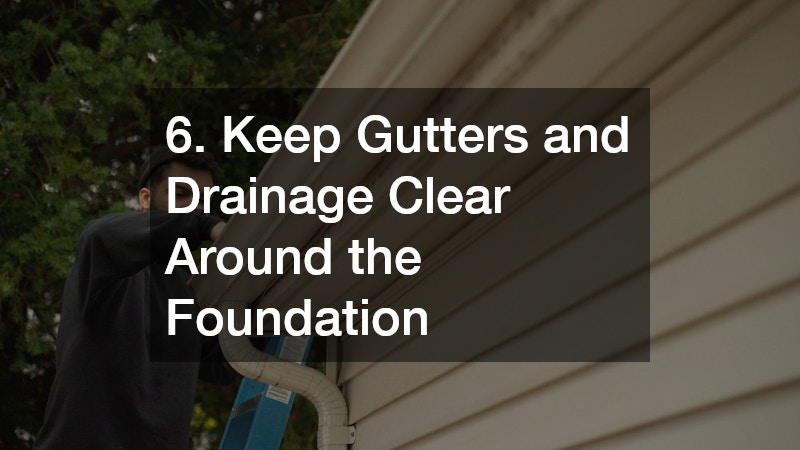
Clogged gutters send water cascading down your siding and pooling near your foundation instead of routing it safely away from the house. Over time, this leads to basement leaks, foundation cracks, and even mold growth that can affect indoor air quality. Cleaning gutters twice a year, in spring and fall, prevents most of these problems before they start.
If climbing a ladder isn’t something you’re comfortable doing, hiring gutter companies to handle cleaning and minor repairs is a reasonable investment in your home’s safety. Many offer gutter guards as an add-on, which reduce how often manual cleaning is needed and lower the risk of someone falling while trying to clear debris themselves.
- Clean gutters at least twice a year
- Check that downspouts extend water away from the foundation
- Look for sagging sections or separated joints
- Consider gutter guards to reduce maintenance and fall risk
7. Prevent Water Heater Failures and Flooding
A failing tank-based appliance doesn’t always give obvious warning signs, but a slow leak or corroded fitting can lead to sudden flooding, electrical hazards, or even scalding injuries if a pressure relief valve malfunctions. Most tanks last eight to twelve years, and age alone is a good reason to have your system inspected if you’re unsure how old it is. Rust-colored water, unusual noises, or moisture around the base are all signs that replacement may be overdue.
Setting the thermostat to 120 degrees reduces both scalding risk and energy use, and testing the temperature-pressure relief valve annually ensures it will function properly in an emergency. Installing a water leak detector near the base of the unit can also alert you the moment moisture appears, giving you time to shut off the supply line before serious damage occurs.
- Set the thermostat to 120 degrees Fahrenheit
- Test the pressure relief valve once a year
- Watch for rust-colored water or unusual tank noises
- Install a leak detector or automatic shutoff valve nearby
8. Eliminate Bed Bug and Pest Infestations Early
Pest problems might not seem like a life-threatening safety issue, but severe infestations can trigger allergic reactions, spread bacteria, and in some cases lead to skin infections from constant biting. Cockroach droppings and shed skin are also known asthma triggers, especially dangerous for children and people with respiratory conditions. Rodents pose their own risks, gnawing through electrical wiring in walls and attics, which creates a genuine fire hazard alongside the diseases they can carry.
Bed bugs in particular spread quickly through a home and are notoriously difficult to eliminate without professional help. A single fertilized female can lay 200 to 500 eggs in her lifetime, and infestations often start small, in mattress seams, headboards, or baseboard cracks, before spreading to neighboring rooms within weeks.
Early detection tools make a real difference here. Interceptor cups placed under beds and furniture legs, sticky glue traps along baseboards, and simple UV flashlights that reveal droppings or shed skins can all flag a problem before it’s visible to the naked eye. Some homeowners also use pheromone-based monitors designed specifically for roaches or pantry moths.
Catching an infestation early, before it spreads to multiple rooms, makes treatment faster, cheaper, and far less disruptive. Waiting even a month or two can mean the difference between treating a single bedroom and having to heat-treat or fumigate an entire home.
Bed bugs rarely stay confined to one room, so early detection matters more than most homeowners realize. Watch for small reddish-brown bugs about the size of an apple seed, tiny rust-colored blood spots on sheets, dark fecal specks along mattress seams, or unexplained bites in a line or cluster after sleeping. If you spot any of these signs, it’s time to call a bed bug exterminator rather than relying on store-bought sprays that often just scatter the infestation into neighboring rooms.
Professional treatment methods are far more effective at fully eliminating an infestation than DIY attempts. Heat treatments raise room temperatures to around 120–135°F, killing bugs and eggs in a single session without saturating your home in chemicals. Targeted pesticide application, when needed, focuses on cracks, baseboards, and furniture joints where bed bugs hide during the day.
A qualified exterminator will also inspect adjoining rooms, electrical outlets, and even books or picture frames, since bed bugs can survive for months without feeding. Many companies offer a follow-up visit two to three weeks after initial treatment to confirm the infestation is fully resolved. Catching the problem early, before it spreads beyond one bedroom, typically means faster treatment and lower overall cost.
- Check mattress seams, headboards, and bed frame joints for small dark spots (fecal stains) or tiny rust-colored bugs the size of an apple seed
- Wash bedding, pillows, and mattress covers weekly in water at least 120°F, then dry on high heat for 30 minutes to kill eggs
- Inspect secondhand furniture, mattresses, and rugs outdoors before bringing them inside, checking crevices and undersides with a flashlight
- Use a bright flashlight to scan baseboards, outlet covers, and closet corners for droppings, shed skins, or live pests
- Seal cracks in walls and around pipes with caulk to block entry points for roaches, ants, and rodents
- Call a licensed pest control professional at the first sign of an infestation, since DIY sprays often miss hidden nests
9. Schedule Annual Chimney and Fireplace Inspections
A fireplace or wood-burning stove adds warmth and ambiance, but a neglected chimney is a serious fire hazard due to creosote buildup, which is highly flammable and accumulates with regular use. Cracked flue liners, blocked chimneys, and animal nests are additional risks that aren’t visible without a proper inspection. Chimney sweeps are trained to spot these hazards and clean out buildup that homeowners can’t safely reach on their own.
The National Fire Protection Association recommends having chimneys inspected annually, even if you don’t use your fireplace often, since moisture and debris can accumulate regardless of use. A clean, well-maintained chimney also improves how efficiently your fireplace heats the room, giving you a practical benefit alongside the safety one.
- Schedule a chimney inspection at least once a year
- Watch for smoky odors even when the fireplace isn’t in use
- Keep flammable items well away from the hearth
- Never burn unseasoned or treated wood
10. Maintain a Safe and Stable Yard Environment
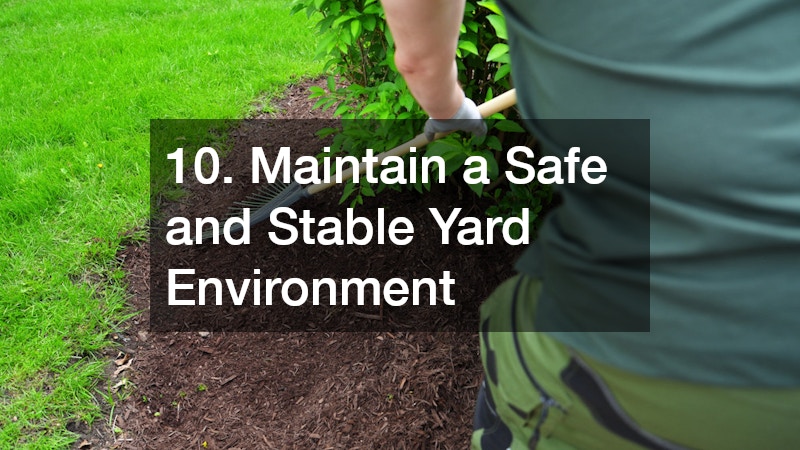
Home safety doesn’t stop at the front door; uneven ground, poor drainage, and erosion around your property can create tripping hazards and contribute to water pooling near your foundation. Regrading low spots and maintaining healthy soil coverage helps water flow away from the house instead of collecting where people walk. This is especially important near entryways, walkways, and any exterior stairs used regularly after dark.
Bringing in top soil delivery for bare or eroded patches of yard is a simple, affordable way to restore stable footing and improve drainage before problems worsen. Combining this with proper grading around your foundation reduces both fall risks and long-term water damage to your home’s structure.
- Fill in low spots and eroded areas promptly
- Grade soil away from the foundation
- Keep walkways and steps clear and level
- Install motion-sensor lighting along paths and stairs for better nighttime visibility
11. Refresh Exterior Coatings to Prevent Structural Decay
Peeling or cracked exterior paint isn’t just a cosmetic issue; it’s often the first visible sign that wood siding or trim is exposed to moisture and beginning to rot. Left unaddressed, this can weaken structural elements over time and create entry points for pests and water damage. A fresh, well-applied coating acts as a protective barrier against the elements year-round.
Hiring painting companies to handle prep work like scraping, sanding, and priming ensures the new coating actually adheres and protects the surface rather than just covering up the problem temporarily. Many painting companies also offer inspection services as part of the estimate process, which can catch rot or moisture damage before it becomes a bigger repair.
- Inspect exterior paint annually for cracking or peeling
- Address moisture damage before repainting
- Choose weather-appropriate exterior coatings
- Get multiple estimates that include prep work, not just paint
Conclusion
True home safety comes from layering multiple tools and habits together, not relying on any single device or one-time fix. Start with the basics, working smoke and carbon monoxide detectors, a fire extinguisher, and a practiced escape plan, then work through the maintenance items that prevent bigger emergencies down the road. Set a reminder to check each system on a regular schedule, and don’t hesitate to bring in professionals for the tasks that require expertise. A few hours of attention now could be what keeps your household safe today and for years to come.