A trip to the emergency room after a fall from a ladder can cost thousands of dollars, not to mention weeks of lost work and lingering pain. Many homeowners skip proper ladder safety equipment to save a few dollars upfront, only to face far steeper costs later in medical bills, property damage, or a botched project that needs professional repair. The good news is that investing in the right gear is inexpensive compared to the alternative, and it protects both your body and your budget. This article breaks down exactly where ladder safety pays off, project by project, so you can make smarter decisions before you climb.
Stabilizers Prevent Costly Falls During Roof Work
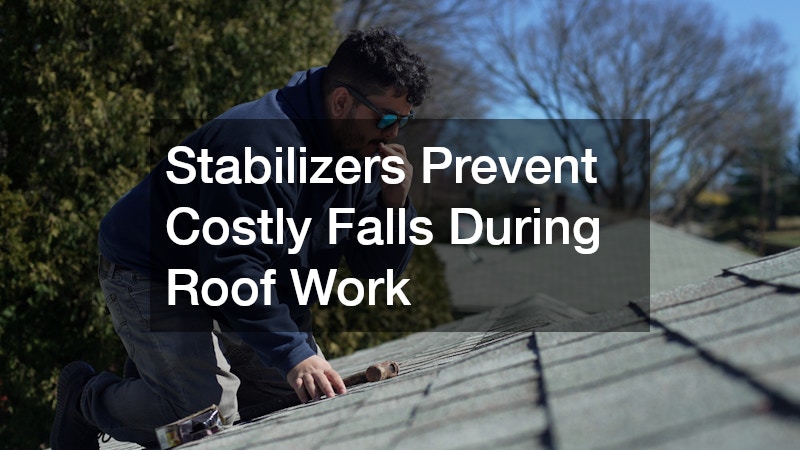
Standoff stabilizers and ladder levelers are some of the cheapest tools you can buy, yet they prevent one of the most expensive accidents a homeowner can have. A fall from roof height often means a trip to urgent care, a damaged gutter system, or a crushed flower bed, all of which cost more than the stabilizer itself. If you are inspecting shingles, clearing debris, or checking flashing before calling a roofer for a proper estimate, a stabilizer keeps the ladder from resting directly on fragile gutter edges.
Beyond personal safety, stabilizers protect your property. Ladders without proper standoff arms tend to crush gutters, dent siding, or crack fascia boards, turning a simple inspection into a repair bill. Spending twenty or thirty dollars on a quality stabilizer is a fraction of what it costs to fix a bent gutter section or a scraped exterior wall.
- Look for stabilizers with rubberized padding to avoid scratching painted surfaces
- Choose adjustable width models to fit different roof pitches
- Store stabilizers with your ladder so they are always ready to use
Non Slip Feet Protect Your Gutters and Foundation
One of the most common reasons homeowners end up needing gutter installation sooner than planned is repeated ladder damage during cleaning season. Standard rubber ladder feet wear down over time and lose their grip, causing the base to slide on concrete, pavers, or wet grass. Upgrading to non slip or swivel safety feet costs very little but dramatically reduces the chance of the ladder kicking out from under you.
A sliding ladder base does not just risk injury, it also risks gouging siding, cracking foundation coating, or crushing landscaping below. Homeowners who invest in proper feet find they replace gutters and downspouts far less often because the ladder stays put during cleaning and inspection. That stability alone can add years to the life of your exterior fixtures.
- Replace ladder feet every few years, since rubber degrades with sun exposure
- Test feet on both hard and soft ground before starting any job
- Avoid setting a ladder directly on loose soil near flower beds
Insulated Ladders Matter Near Electrical and HVAC Lines
Many homeowners climb ladders to check outdoor components tied to heating and air conditioning systems, such as condenser units, exterior disconnects, or rooftop vents. These areas often sit near exposed wiring or electrical panels, which makes an insulated fiberglass ladder a smart investment rather than a luxury. Aluminum ladders conduct electricity, and a single mistake near a live wire can result in a serious injury or a house fire.
The price difference between a basic aluminum ladder and a fiberglass insulated model is small compared to the potential cost of an electrical accident. Fiberglass also resists corrosion better in humid areas near outdoor units, which extends the ladder’s usable life. If you regularly perform light maintenance around your HVAC equipment, this upgrade pays for itself the first time it prevents a shock.
- Never use an aluminum ladder near overhead power lines or electrical meters
- Check fiberglass ladders annually for cracks or fading from UV exposure
- Keep at least ten feet of clearance from any power line when climbing
Proper Harnesses Reduce Injury Risk During Tree Trimming
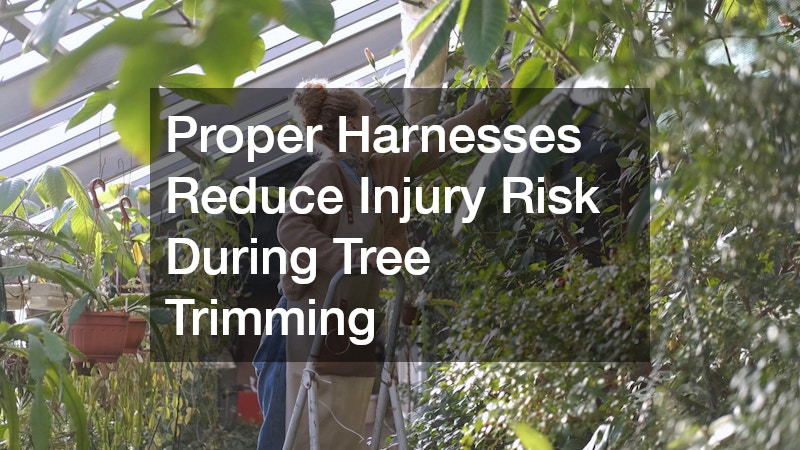
Trimming branches near the roofline or clearing storm damage is one of the riskier tasks homeowners attempt on a ladder, since uneven footing and overhead reaching increase fall risk. A basic safety harness or waist tether anchored to a sturdy point can prevent a fall even if the ladder shifts unexpectedly. For anything beyond small limbs, it is often smarter and safer to call tree services rather than risk a fall from height while wielding a saw.
Harnesses are inexpensive compared to the cost of a fall injury, yet many homeowners skip them because they assume tree work is quick and low risk. In reality, awkward body positioning while reaching for branches is exactly when falls happen. A harness combined with a spotter holding the ladder base adds a meaningful layer of protection for a task that seems simple but carries real danger.
- Never trim branches directly above your head while standing on the top rungs
- Use a harness rated for fall arrest, not just general work support
- Keep a phone within reach in case you need to call for help
Weight Rated Ladders Save Money on Pool Area Repairs
Homeowners maintaining a backyard pool often need a ladder to check equipment, clean overhangs, or inspect surfaces after a storm. Choosing a ladder with the correct duty rating for your weight plus tools prevents the rungs from bending or snapping, which can send you crashing into hard pool decking. A fall onto tile or concrete near a pool is far more dangerous than a fall onto grass, making proper equipment even more important in this setting.
If you are working near pool tiling to inspect for cracks or loose grout, a stable and correctly rated ladder keeps you from putting extra pressure on one foot to compensate for a wobbly setup. Overloaded ladders flex more than most people realize, and repeated stress can cause hairline cracks that fail without warning. Spending a bit more for a higher duty rating is cheap insurance against a fall onto an unforgiving surface.
- Check the duty rating sticker before every use, not just at purchase
- Add the weight of tools and materials to your body weight when calculating load
- Replace any ladder that shows bending, warping, or rust near the rungs
Ground Anchors Protect New Siding and Window Trim
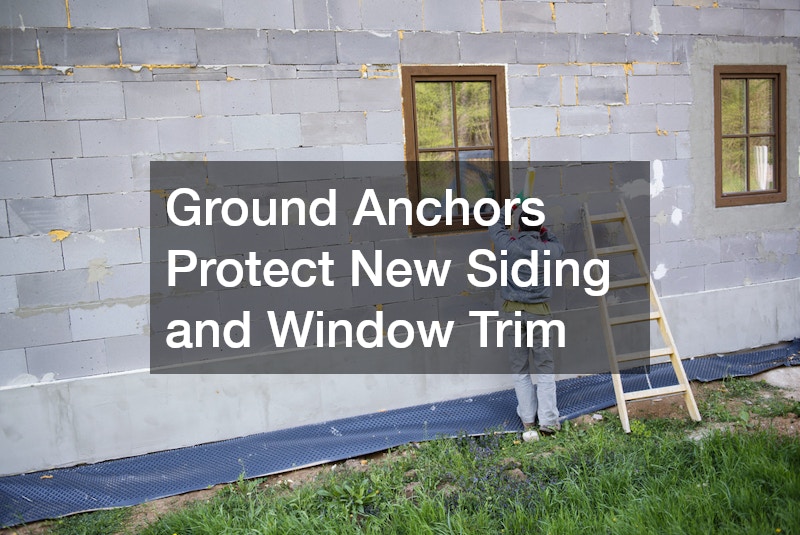
Fresh exterior upgrades are expensive to redo, so it makes sense to protect them with the right ladder accessories. Homeowners who recently completed window replacement or hired a siding contractor often worry about scratches, dents, or cracked trim from careless ladder placement during future maintenance. A single misplaced rung against vinyl or fiber cement siding can leave a dent that costs hundreds of dollars to patch or replace. Ground anchors and wide stabilizer bars distribute weight more evenly and keep the ladder from shifting against newly installed materials. Standoff stabilizers, in particular, hold the ladder several inches away from the wall, which prevents direct contact with window trim, gutters, and freshly painted siding altogether. This extra clearance also makes it easier to work around light fixtures or shutters without bumping them. For homeowners on sloped or uneven ground, screw-in or stake-style ground anchors add another layer of protection by locking the ladder’s base in place. This reduces the sideways sliding that often scuffs trim or cracks caulking around windows. Spending $30 to $60 on quality anchors and stabilizers is a small price compared to the cost of repairing damaged siding or trim. Manufacturers who specialize in exterior finishes generally recommend these accessories as standard practice, since even a reputable siding contractor can’t guarantee protection once the job is done and homeowners take over routine upkeep. Investing in the right equipment upfront simply extends the life and appearance of the exterior work already paid for.
Vinyl and fiber cement siding can crack under concentrated pressure, and window trim is especially vulnerable to dents and gouges from a ladder rail resting directly against it. Even a brief lean during a quick gutter check can leave a mark that requires patching or a full panel replacement. Fiber cement is particularly unforgiving since it chips rather than flexes, and matching the texture and color of an older panel can be surprisingly difficult. A small investment in padded standoffs, stabilizer bars, or anchor spikes prevents these avoidable repair costs. Standoff stabilizers hold the ladder several inches away from the wall, distributing weight across a wider span instead of concentrating it on one narrow strip of siding. Many models also rotate or pivot, which lets you reposition the ladder without repeatedly scraping it against the same section of trim. Ground anchors serve a complementary purpose by keeping the base planted, which reduces the sideways shifting that often causes rail-to-siding contact in the first place. Spike-style anchors work well on soil or grass, while suction or strap-based anchors are better suited for driveways and patios where digging isn’t an option. Since new siding and window installations can easily run several thousand dollars, protecting them during routine ladder use simply makes financial sense. A stabilizer bar or anchor kit typically costs between $30 and $80, a modest price compared to refinishing a damaged section of siding or replacing dented trim.
- Use padded ladder mitts or rubber stabilizer caps on rails to prevent scuffs, dents, or paint transfer on freshly installed trim and siding
- Anchor the ladder base firmly on soft or uneven ground using a ladder leveler or stake-down kit, especially on mulch beds, gravel, or sloped lawns
- Test stability by rocking the ladder gently before climbing; if it shifts more than an inch, reposition or add ground spikes
- Avoid leaning directly on window frames or trim, even briefly, since vinyl and composite materials can crack or warp under concentrated weight
- Position the ladder against solid structural points like wall studs or masonry instead of trim edges whenever possible
- Recheck anchor points periodically during long jobs, since ground conditions can shift after rain or repeated foot traffic
Ladder Locks Prevent Water Damage From Rushed Repairs
When a storm causes a leak, homeowners often grab whatever ladder is available and rush to inspect the roof or attic vent without checking that it locks securely into place. A ladder that collapses mid climb during an emergency repair attempt can turn a manageable leak into a much bigger problem, especially if you drop tools or fall through weakened materials. Spring loaded locking mechanisms that are inspected regularly reduce this risk significantly.
Delayed or botched emergency repairs are a major reason water damage restoration becomes necessary in the first place, since a small leak left unaddressed for even a day can spread into insulation, drywall, and flooring. A reliable, well maintained ladder lets you respond quickly and safely rather than hesitating out of fear the equipment might fail. Keeping your ladder in top condition is part of a broader strategy to prevent minor issues from becoming expensive disasters.
- Inspect locking mechanisms before every storm season
- Keep a flashlight and basic tools attached to your tool belt, not carried loosely
- Address roof leaks immediately rather than waiting for better weather
Sturdy Ladders Support Safer Plumbing and Landscaping Access
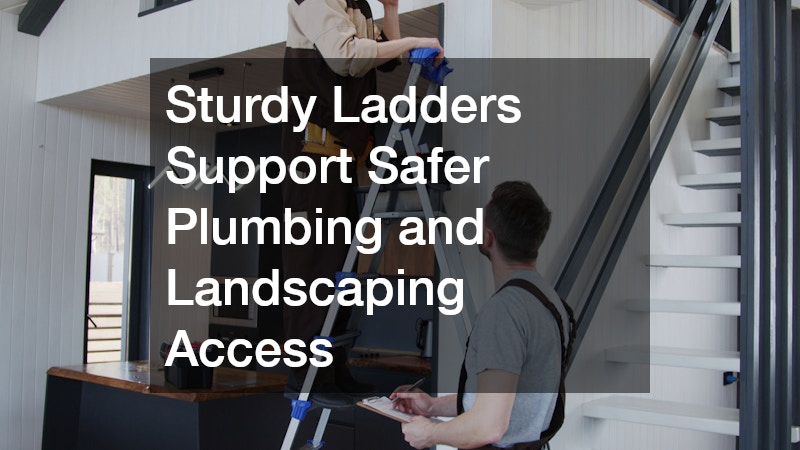
Ladder use is not limited to roofs and gutters. Homeowners often climb to reach attic plumbing vents, condensation lines, or irrigation systems as part of routine maintenance, and a step stool or the wrong ladder height for the job can turn a simple repair into a fall risk. Tasks like clearing a vent stack or checking a rooftop AC line often require a ladder rated for at least 250 pounds, with slip-resistant feet and a locking mechanism that keeps it from shifting mid-task. Landscaping work adds its own hazards. Trimming tall hedges, pruning trees, or accessing elevated planter beds often means working at odd angles on uneven ground, where a lightweight aluminum ladder can tip if it’s not properly leveled. Ladder stabilizers or wide-based tripod ladders, designed specifically for gardening and orchard work, reduce this risk significantly compared to a standard extension ladder. A wobbly or mismatched ladder makes these already awkward tasks riskier, especially when tools or hoses limit a homeowner’s ability to keep three points of contact. For larger or more technical jobs, calling in plumbers to handle vent stack repairs or landscaping contractors to manage tree canopy work is often safer than improvising with the wrong equipment. The cost of a service call is almost always lower than the medical bills and lost work time that follow a serious ladder fall.
For smaller access points, like crawl spaces, side yards, or tight utility corners, choosing a ladder with a wide platform top and secure rung spacing makes a real difference in stability. Look for a platform at least 12 inches deep and rungs spaced no more than 12 inches apart, which gives your feet a secure base whether you’re crouched over a shutoff valve or reaching into a garden bed. A tip-resistant design with rubber feet also matters on uneven soil or mulch, where standard ladder legs can sink or slide. This is especially true when reaching overhead to inspect a vent stack or trim high branches near power lines. In these situations, a fiberglass ladder is worth the extra cost over aluminum, since it won’t conduct electricity if it brushes against a line. Keeping a three-point contact rule in mind, two hands and one foot, or two feet and one hand, on the ladder at all times also prevents overreaching, which is one of the leading causes of ladder-related falls. Matching the right ladder type to the task, rather than using one ladder for everything, reduces strain and lowers the odds of a fall. A twist-step ladder or multi-position model can adjust to uneven ground near a garden or foundation line, while a sturdy stepladder is often better suited for indoor plumbing work in a bathroom or utility closet. Investing in two or three task-specific ladders, rather than forcing a single all-purpose one to do the job, often costs less in the long run than an emergency room visit or a damaged pipe.
- Use a stepladder with a locking spreader bar for indoor plumbing access, and check that the locks fully engage before climbing to avoid sudden collapse
- Pick a ladder rated for at least 250 lbs when working under sinks or around water heaters, since tool weight adds up fast
- Choose an orchard or tripod ladder for uneven ground near trees and shrubs, as their adjustable single rear leg keeps the base stable on slopes
- Test the ground beneath each leg before climbing a tripod ladder, especially after rain when soil near landscaping can shift
- Avoid standing on the top two rungs of any stepladder, since this is where most tip-over injuries occur
- Keep your hips between the ladder’s side rails at all times to maintain balance during plumbing or yard work
Ladder safety equipment is one of the smallest expenses in any home maintenance budget, yet it protects against some of the largest and most painful costs a homeowner can face. From stabilizers that save your gutters to harnesses that prevent falls during tree work, each piece of gear pays for itself many times over. Before your next climb, take stock of your equipment and replace anything worn, mismatched, or missing entirely. A modest investment today can spare you from medical bills, property damage, and unplanned repair costs tomorrow.