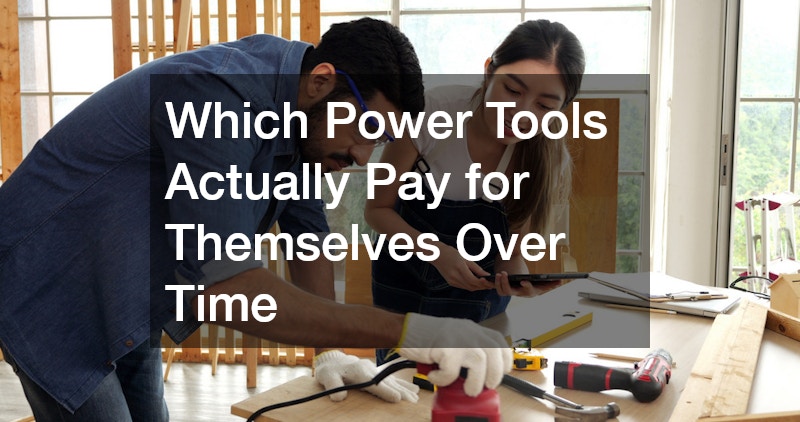
Power tools can cost anywhere from fifty to a few thousand dollars, and it’s easy to wonder if buying one is actually smarter than just hiring someone. The truth is that certain tools pay for themselves surprisingly fast, especially when you factor in the cost of repeated service calls or contractor visits for small jobs. Others, no matter how tempting, rarely earn back their price tag for the average homeowner. This article breaks down which power tools genuinely deliver a return on investment, and which projects are still better left to the professionals.
Calculating the Real Payback Period on a Power Tool
Before buying any power tool, it helps to run a simple math exercise comparing the purchase price against what you would otherwise pay per use. A cordless drill that costs 120 dollars but saves you three 75 dollar handyman visits a year pays for itself before the season ends. The calculation gets more interesting with larger tools, where the alternative isn’t a small service call but a full project bid from a specialist.
The payback period shrinks dramatically for homeowners who tackle multiple projects rather than a single one-off task. Someone who plans to reseed the lawn, build a shed, and refinish a deck within the same year will see a tool pay off much faster than someone using it once and letting it sit in the garage.
- Add up the cost of at least three comparable service calls before buying
- Factor in maintenance, blades, batteries, and storage costs
- Consider resale value if you only need the tool short term
- Account for the learning curve time on your first project
Rotary Hammers and Small Concrete Jobs

A rotary hammer or hammer drill is one of the more surprising tools that can pay for itself, particularly for anyone dealing with small patios, fence post holes, or anchor bolts. Renting one for a weekend often costs nearly a third of what a decent unit sells for, so two or three projects a year makes ownership the better deal. That said, for anything beyond drilling and light breakup work, like pouring a new driveway or leveling a large slab, it still makes more financial sense to bring in a concrete contractor who has the mixers, forms, and crew to do it correctly the first time.
Where the tool truly earns its keep is in ongoing home maintenance, such as installing a mailbox post, hanging a heavy mirror on masonry, or setting anchors for a patio cover. These are recurring small tasks that would otherwise mean scheduling and paying for a professional every single time.
Reciprocating Saws for Teardown and Removal Projects
A reciprocating saw is one of the most versatile tools for homeowners who find themselves doing frequent removal or teardown work around the property. It can cut through nail-embedded wood, metal pipe, and even drywall with the right blade, which makes it useful for everything from ripping out an old fence to removing a rotted deck board. For larger scale interior teardown, though, like gutting a bathroom or removing load-bearing elements, hiring a demolition contractor is still the safer and often cheaper route once you factor in dumpster rental, debris hauling, and the risk of hitting hidden wiring or plumbing.
- Ideal for cutting old fence posts and rails during a rebuild
- Useful for removing baseboards, subfloor, and small framing sections
- Pays off fastest for homeowners doing several small renovations a year
- Less cost effective for a single large gut job
Post Hole Diggers and Fence Building Equipment

Anyone planning to install their own fence should look closely at powered post hole diggers, since renting or buying one saves enormous time and physical strain compared to manual digging. This is especially relevant for homeowners sourcing their own DIY fence materials, since a big part of the appeal of doing it yourself is controlling costs on both the lumber and the labor. A gas powered auger can chew through dozens of holes in an afternoon, a task that could otherwise take days by hand.
The payback calculation here is straightforward: if you’re already saving thousands by skipping a fencing crew, spending a few hundred dollars on a quality auger is a small addition that speeds up the job considerably. Just be sure to check for buried utility lines before you start drilling, regardless of how efficient the tool is.
Flooring Nailers and Multi-Room Installation Tools
Flooring nailers and pneumatic staplers are specialty tools that rarely make sense for a single room but start to pay off once you’re covering multiple rooms or an entire floor. The upfront cost of a quality flooring nailer can be a few hundred dollars, but that’s often less than the tool rental fees charged by hardwood flooring companies for a job of similar scope. Homeowners tackling a whole-house hardwood refresh in phases over a few years may find that owning the equipment outright saves real money across each phase.
It’s worth noting that installation is only part of the job, since proper subfloor prep, moisture testing, and acclimation of the wood matter just as much as the nailing technique. Skipping those steps to save money on tools can end up costing more in repairs later, so this is a case where the tool investment only pays off if paired with careful planning.
HVAC Tools and the Limits of DIY Repair
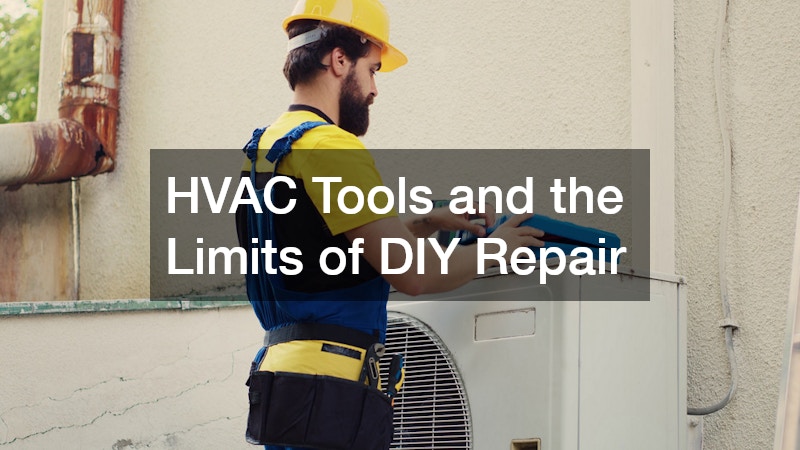
There’s a tempting category of gauges, leak detectors, and multimeters marketed to homeowners who want to handle their own HVAC troubleshooting. For basic tasks like changing filters or clearing a condensate line, a simple wet vac and a few hand tools are genuinely worth owning. But refrigerant handling requires certification in most areas, and diagnosing compressor or electrical issues without proper training can turn a small problem into an expensive one, which is why calling a licensed AC repair service still makes more financial sense than buying specialized refrigeration tools you’ll use once or twice a year.
- Own a basic multimeter for checking outlets and thermostats
- Keep a wet vac on hand for condensate line clogs
- Avoid buying refrigerant gauges unless certified to use them
- Leave compressor and electrical diagnostics to licensed technicians
Trimmers, Mowers, and Outdoor Power Equipment
Lawn and garden equipment is one of the clearest examples of tools that pay for themselves, simply because yard work is recurring and never really ends. A quality string trimmer, edger, or leaf blower will save you money almost every single month during the growing season compared to paying for landscaping services on a routine basis. Professional landscaping crews typically charge $50 to $150 per visit depending on lot size, and a weekly or biweekly schedule during peak season can easily add up to $1,000 to $2,500 a year. Against that backdrop, the math on owning your own equipment is almost impossible to beat. A decent trimmer or edger runs $80 to $200, and a solid leaf blower is usually in the same range, meaning either one can pay for itself after just two or three skipped service calls. Even factoring in gas or battery costs, replacement trimmer line, and occasional maintenance, the ongoing expense of DIY yard care is a fraction of what a landscaping contract costs. Mowers are a slightly bigger investment but follow the same logic. A mid-range self-propelled mower typically costs $400 to $700 and can pay for itself within one or two seasons for a typical suburban lot, especially once you factor in that most services charge separately for mowing on top of edging and blowing. Battery-powered models add a bit more upfront cost but save on gas, oil changes, and tune-ups over the long run. The payoff period shrinks further for larger properties or anyone with multiple areas of lawn, since the per-visit savings scale with square footage. Homeowners who also mow for neighbors, family members, or rental properties can turn the same equipment into a source of income rather than just a cost-avoidance tool.
For everyday lawn care, the equation is straightforward: a $300 push mower or a $150 string trimmer used weekly for eight years will always beat paying a lawn service $50-$80 per visit. Over a single mowing season, that math can already break even; over a decade, owning versus hiring can mean a difference of $4,000 or more. The math shifts, however, for larger scale yard transformations like grading, irrigation installation, or retaining walls, where specialized equipment and expertise matter more than raw tool ownership. A rented trencher or plate compactor might run $100-$200 a day, but renting misses the point entirely — these are one-time or rare projects where mistakes are costly and professional grading equipment alone can run into the tens of thousands of dollars. In those cases, most homeowners are better off hiring out the heavy design and installation work and saving their own tool budget for the ongoing mowing, trimming, and edging that never stops. A good rule of thumb: if you’ll use it more than a dozen times a year, buy it; if it’s a once-a-decade job requiring skill you don’t have, hire it out. That said, mid-tier equipment like a leaf blower, hedge trimmer, or aerator occupies a gray zone worth evaluating case by case. If you have a large property with mature hedges or heavy fall leaf drop, owning pays off within two or three seasons. On a small lot, renting or borrowing for the handful of days a year you’d actually need them often makes more financial sense.
Drain Snakes and Basic Plumbing Maintenance Tools
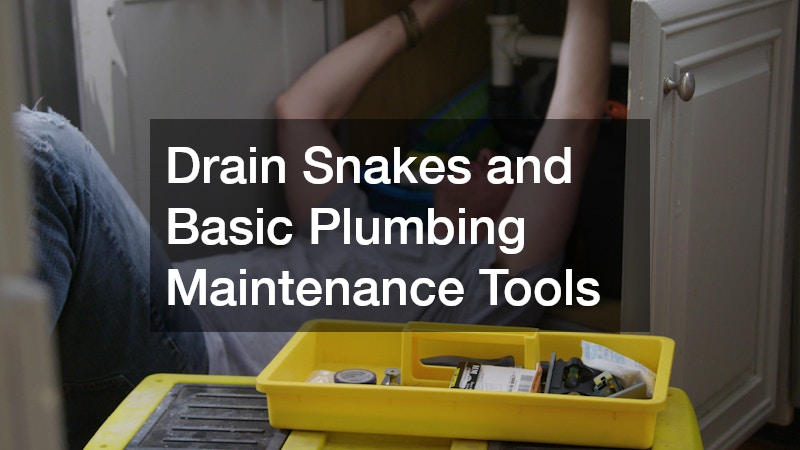
A manual or power drain auger is a smart purchase for any homeowner who deals with recurring clogs in sinks, tubs, or floor drains. These tools typically cost less than a single visit from a plumber and can be reused indefinitely, making them one of the fastest tools to pay for themselves. However, once a clog is deep in the main line or shows signs of root intrusion, tree damage, or collapsed pipe, it’s time to call a sewer repair specialist rather than pushing a consumer grade snake further than it’s designed to go.
Trying to force a small tool to handle a major sewer line problem can actually cause more damage, including pushing debris further into the pipe or damaging older, more fragile plumbing. Knowing the line between routine maintenance and a real infrastructure problem is what separates smart tool use from a costly mistake.
Nail Guns and Roofing Related Tools
A pneumatic or cordless nail gun is genuinely useful for homeowners handling smaller projects like building a shed, fixing a fence, or replacing a few shingles after storm damage. For full roof replacement, though, the calculation changes entirely, since proper roofing contractors bring not just the nail guns but the safety equipment, disposal plans, and warranty backed materials that a homeowner buying a single tool simply can’t replicate. The liability and safety risk of working at height on a full roof job usually outweighs any potential savings from doing it yourself.
Where the tool still earns its cost is in smaller exterior tasks, such as building window trim, installing fascia boards, or framing a small addition. These jobs are frequent enough for the average homeowner that a nail gun purchase often pays for itself within a year or two of general home upkeep.
Door Hanging Jigs and Interior Trim Tools
A quality set of chisels, a door plane, and a decent drill press or jig can make installing entry doors and interior trim projects surprisingly approachable for a motivated homeowner. Since pre-hung doors have become more common and better designed for DIY installation, the tools needed to trim, shim, and hang them have become more affordable and more useful over repeated projects. If you’re planning to update several doors throughout the house over time, the tool investment pays off quickly compared to hiring installation for each one individually.
That said, precise measurements matter enormously here, since a poorly hung door affects energy efficiency, security, and everyday usability. Homeowners who are not confident with exact leveling and squaring may find that a single professional installation costs less in the long run than a botched DIY attempt that needs to be redone.
Tools for Custom Cabinet Building and Kitchen Projects
Table saws, routers, and pocket hole jigs open the door to a wide range of cabinetry and built in projects that would otherwise require a specialist. For homeowners genuinely interested in cabinet design and willing to invest time in learning joinery techniques, this category of tools can pay for itself many times over across bathroom vanities, closet systems, and garage storage. The key is having enough projects lined up to justify the learning curve and the higher upfront cost of quality woodworking equipment.
For a single kitchen renovation, though, many homeowners find it more practical to hire out the cabinetry and focus their own tool investment on simpler carpentry tasks. Building cabinets well requires precision, dust management, and finishing skills that take time to develop, so weigh your appetite for a new hobby against the actual dollar savings before buying a shop full of equipment.
The tools that truly pay for themselves are the ones matched to recurring, appropriately scaled tasks around your specific property, not necessarily the biggest or most impressive ones on the shelf. Start by listing the home projects you expect to repeat over the next few years, then compare tool costs against realistic service pricing for each one. For anything involving structural work, gas lines, electrical systems, or major safety risk, the smartest financial decision is often still to call in a qualified professional. Used thoughtfully, the right handful of power tools can save you real money for years to come.