Wood exteriors have a timeless appeal that few other materials can match. The warmth, texture, and character of real timber siding, trim, or shingles give a home personality in a way vinyl or fiber cement simply can’t replicate. But that beauty comes with a catch — wood is a living material, and it responds to its environment in ways that can turn a stunning facade into a stained, spotty mess.
Mold and mildew are two of the biggest culprits behind that decline. They don’t just look bad. Left unchecked, they can slowly break down the wood fibers, trap moisture against the surface, and set the stage for rot, warping, and expensive repairs. The good news? You have real choices in how you fight back.
Rather than hand you a single checklist, this breakdown weighs the main strategies side by side — preventive habits, product choices, structural fixes, and reactive treatments — so you can decide which combination makes the most sense for your home, climate, and budget.
Why Wood Exteriors Are So Vulnerable
Wood siding doesn’t rot on its own. It needs help, and that help almost always comes in the form of water. Rain, dew, humidity, and even moisture rising out of the soil near the foundation can all push the wood past the threshold where mold spores can take hold. According to Building Science, wood surfaces are likely to develop mold once their moisture content climbs beyond roughly 16% by weight. That’s a surprisingly narrow margin.
Temperature matters too. Mold is picky in cold weather but opportunistic when it’s warm. According to ScienceInsights, the humidity level mold needs on wood drops to around 78% in the 68 to 77°F range, but climbs to about 90% once temperatures fall near 41°F. In practical terms, your siding is most at risk during muggy summer stretches and warm, damp shoulder seasons.
Understanding this vulnerability is what separates homeowners who stay ahead of the problem from those who constantly chase it. Every prevention strategy below is really about controlling one of two things: how much water touches the wood, and how long it stays there.
Preventive Habits vs. Reactive Cleaning: Which Pays Off More?
The clearest comparison in exterior wood care is between staying ahead of problems and reacting to them after they show up. Both have a place, but they produce very different long-term results.
Preventive habits — rinsing siding seasonally, trimming back shrubs, checking gutters — are cheap, low-effort, and spread out over the year. Reactive cleaning, by contrast, involves pressure washers, chemical treatments, scrubbing, and sometimes refinishing. It costs more time, more money, and more wear on the wood itself every time you do it.
Here’s how the two approaches stack up in practice:
- Preventive rinsing takes 20 to 30 minutes a season and uses just water
- Reactive mold removal often requires bleach or oxygen-based cleaners plus manual scrubbing
- Prevention preserves the existing finish; reactive cleaning can strip or dull it
- A yearly inspection catches small issues; neglect lets them compound into board replacement
- Preventive care protects warranties on stains and sealants
- Reactive treatments may need to be repeated every few months once mold establishes
The honest answer is that most homeowners need both. But the ratio matters. If you lean 80% prevention and 20% reaction, your siding lasts decades. Flip that ratio, and you’re constantly playing catch-up.
Choosing the Right Products and Finishes
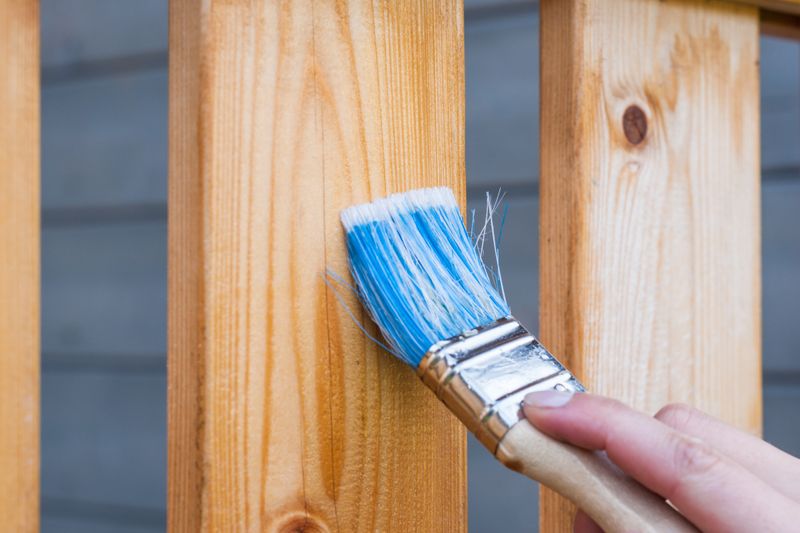
Not every coating protects wood equally, and the product you choose has a huge impact on how often mold shows up. This is where a little research pays off before you ever open a can.
Penetrating oil stains soak into the wood and let it breathe, which is great for moisture release but offers less surface defense. Film-forming finishes like solid stains and paints create a barrier, but if that barrier cracks, water gets trapped underneath — and that trapped moisture is exactly what mold loves. Semi-transparent stains with mildewcides sit in the middle, offering a reasonable balance for most climates.
Matching the Finish to Your Climate
In humid Southern climates, mildew-resistant semi-transparent or solid stains with UV blockers tend to outperform clear sealers, which break down fast under sun and moisture. In drier Western climates, penetrating oils last longer because the wood isn’t fighting constant dampness. In mixed Northern climates with freeze-thaw cycles, flexibility matters — a finish that moves with the wood won’t crack and let water in behind it.
Whatever you pick, read the label for mold and mildew inhibitors specifically. Some products advertise water resistance but include nothing that discourages biological growth, and those are two very different things.
Structural Fixes That Beat Any Cleaning Routine
No amount of scrubbing or spraying will solve a mold problem caused by the way water moves around your house. This is where homeowners often overlook the biggest wins. Structural adjustments are the most powerful part of home upkeep because they remove the conditions mold needs to survive, rather than just treating the symptoms.
Look at how water interacts with your exterior. Does the drip edge actually direct runoff away from the siding? Do downspouts dump water near the foundation? Are there shrubs pressed against the wall, holding humidity against the wood for hours after a rain? These are the questions that matter more than what cleaner is in your garage.
Common structural improvements worth considering include:
- Extending downspouts at least four to six feet from the foundation
- Trimming vegetation back 18 to 24 inches from siding for airflow
- Adding or repairing flashing above windows, doors, and horizontal trim
- Regrading soil so it slopes away from the house
- Installing or clearing weep screeds and ventilation gaps behind siding
- Replacing cracked caulk at joints where water can wick in
A good rule of thumb for how to maintain wood siding across seasons is to think about drainage first and cleaning second. If water leaves quickly and air moves freely, mold has very little to work with.
How to Maintain Wood Siding Throughout the Year
Seasonal rhythm matters more than most people realize. Mold doesn’t attack on a fixed schedule — it attacks whenever conditions align. That means your attention has to shift throughout the year rather than concentrate in one big spring cleaning.
Spring is the time for inspection and gentle rinsing after winter grime. Summer is when you watch for shaded, damp spots that aren’t drying out. Fall is for clearing debris, checking gutters, and making sure nothing traps moisture against the wall as temperatures drop. Winter is quieter, but it’s when you spot issues like ice damming or splashback staining the lower boards.
Spotting Trouble Before It Spreads
Early mold often looks like a light gray haze, faint black speckling, or a greenish tint in shaded areas. It tends to show up first on north-facing walls, under eaves with poor drainage, and near ground level where splashback hits the siding. Catching a faint discoloration in April is a ten-minute fix. Ignoring it until August can mean a full wall treatment and possibly refinishing.
Pay attention to smell, too. A musty odor near the base of the wall, especially after rain, often signals moisture trapped behind the siding even when the surface looks clean. That’s a sign to investigate flashing, caulking, or grading rather than reach for a cleaner.
Comparing Cleaning Methods When You Do Need to Treat
Once mold has a foothold, you have to decide how aggressively to respond. The three main options each have trade-offs worth understanding before you commit.
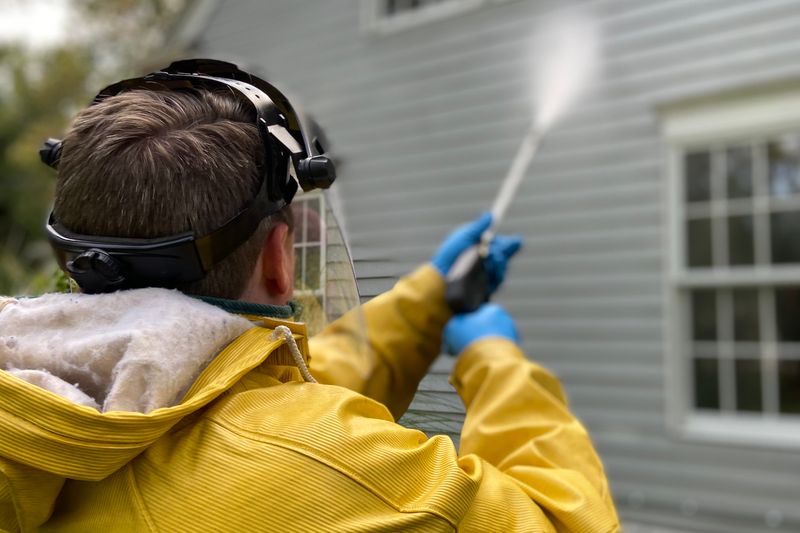
Pressure washing is fast and satisfying, but it’s also the method most likely to damage wood. Too much pressure drives water deep into the grain, raises the fibers, and can strip finish along with the mold. If you go this route, keep pressure under 1500 PSI and use a wide fan tip held well back from the surface.
Chemical cleaners break down into two broad camps. Chlorine bleach solutions kill mold quickly and cheaply, but they can lighten the wood, harm nearby plants, and corrode metal fasteners. Oxygen bleach, usually sold as sodium percarbonate, works more slowly but is gentler on the wood, the landscaping, and your hardware. For most homeowners, oxygen bleach hits a better balance.
Manual scrubbing with a soft-bristle brush and a mild detergent is the least glamorous option, but it’s also the safest for the wood itself. It works well for small, localized patches caught early.
Here’s a quick side-by-side of what each method tends to deliver:
- Pressure washing: fastest coverage, highest risk of surface damage
- Chlorine bleach: strong kill rate, harsh on finish and surroundings
- Oxygen bleach: moderate speed, wood-friendly, plant-safe at normal dilutions
- Hand scrubbing: slowest, gentlest, best for spot treatment
- Commercial wood cleaners: often blend surfactants and mildewcides for targeted results
The method that fits your situation depends on how widespread the growth is, how recently the wood was finished, and how much tolerance you have for refinishing afterward.
Budgeting for Long-Term Exterior Care
Money is the quiet factor behind every decision here. Prevention is almost always cheaper than repair, but it still requires planning. Setting aside a modest annual budget for inspections, touch-ups, and occasional refinishing beats getting hit with a surprise board-replacement bill after a bad season.
Think of exterior care in three cost tiers. Routine upkeep — rinses, inspections, minor caulking — runs small and predictable. Mid-level work like restaining or treating a wall section lands in the middle, usually every few years. Major intervention, including board replacement or full refinishing, is the expensive outcome you’re trying to avoid by doing the first two consistently.
Where It Makes Sense to Hire a Pro
Some tasks genuinely reward DIY effort — rinsing, trimming, spot-cleaning, and inspection are all within reach for most homeowners. Others are worth outsourcing. Full-house refinishing, flashing repairs, and remediation of widespread mold tend to go better in the hands of someone who does it every week. The cost of a professional job often comes out lower than the cost of fixing a DIY attempt that went sideways.
The deciding question isn’t really skill. It’s whether the job involves working at height, disturbing finished surfaces at scale, or diagnosing hidden moisture sources. Those are the moments when experience pays for itself.
Conclusion
Protecting a wood exterior from mold and mildew isn’t about finding one perfect product or one magic routine. It’s about stacking small, sensible choices on top of each other — the right finish for your climate, drainage that actually works, seasonal attention, and a measured response when problems do appear. Each layer does part of the job, and together they keep the wood sound for decades rather than years.
The homeowners who get the best results tend to share one habit: they treat their siding as something worth checking on, not something to notice only when it looks bad. A slow walk around the house a few times a year, a gentle rinse when pollen or dust builds up, and a willingness to fix the small stuff early will save you far more than any premium cleaner ever will.
Wood will always ask more of you than synthetic siding. That’s the trade for the look and feel it delivers. But the work isn’t overwhelming when you spread it out, match your methods to your climate, and remember that controlling moisture is the whole game. Do that, and mold and mildew become minor nuisances rather than recurring threats.