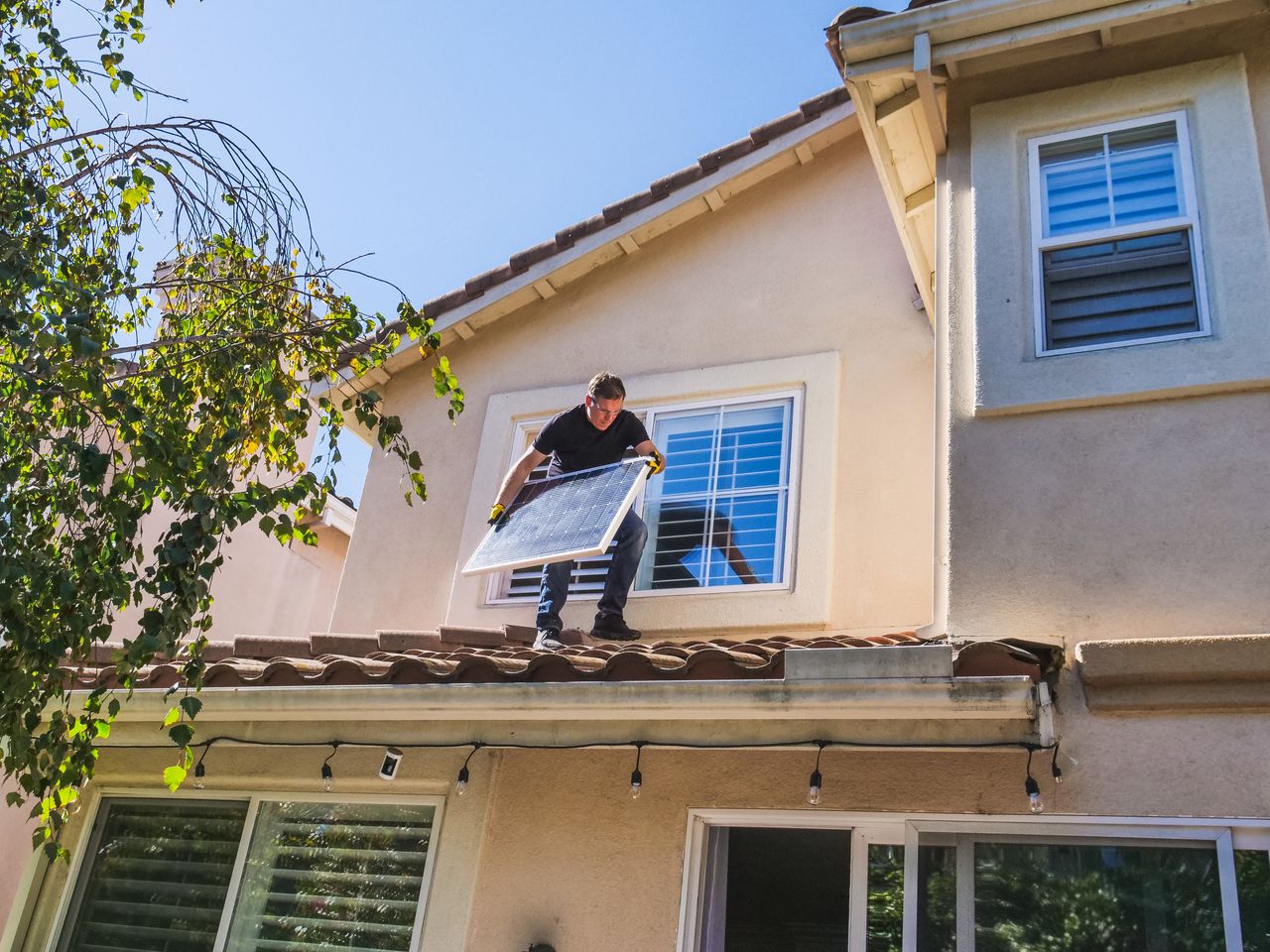
Key Takeaways
- Exterior home maintenance protects a home’s structure, prevents costly water damage and keeps curb appeal and property value high.
- The roof, gutters, siding, foundation, fences and septic system all need regular attention, and most problems are cheaper to fix when caught early.
- A seasonal routine, with walk-around checks each spring and fall plus a few yearly tasks, keeps the work manageable.
- Water is the biggest threat to any home’s exterior, so drainage, gutters, flashing and seals deserve extra attention.
- Many tasks are simple DIY jobs, but roof work, septic pumping and structural repairs belong with licensed professionals.
- Keeping a maintenance log and setting aside a yearly budget makes it easier to plan repairs instead of reacting to emergencies.
The outside of a house takes a beating every day. Sun, rain, wind, snow, roots and temperature swings slowly wear down roofing, siding, fences, driveways and everything in between. Because exterior problems often develop out of sight, on the roof, underground or behind a downspout, they are easy to ignore until they turn into leaks, rot or expensive repairs.
A simple, consistent exterior home maintenance routine changes that. This guide covers every major part of a home’s exterior, from the roof down to the septic system, with a seasonal checklist, practical home maintenance tips and clear guidance on which jobs to handle yourself and which to leave to professionals. Each section links to a more detailed article for homeowners who want to dig deeper into a specific topic.
Why Exterior Home Maintenance Matters
The exterior of a home is its first line of defense. When the roof, siding, gutters and foundation are in good shape, they keep water, pests and weather out of the living space. When they are neglected, small issues can grow quickly.
Regular exterior home maintenance helps:
- Prevent water damage. Leaks, clogged gutters and poor drainage are behind many of the most expensive home repairs, including rot, mold and foundation problems.
- Extend the life of major systems. Roofs, fences, decks and septic systems all last longer with routine care.
- Lower energy bills. Sealed windows, doors and siding keep heated and cooled air inside.
- Protect property value. A well-kept exterior signals to buyers and appraisers that the home has been cared for.
- Improve safety. Loose railings, cracked walkways, overhanging branches and failing septic systems can all create hazards.
The key is consistency. A few hours each season prevents most of the problems that lead to emergency repairs.
Exterior Home Maintenance Checklist by Season
| Season | Key Tasks |
|---|---|
| Spring | Inspect the roof from the ground, clean gutters, check siding and paint, look for foundation cracks, service outdoor faucets, inspect fences and decks |
| Summer | Trim trees and shrubs, reseal decks and wood fences if needed, clean siding and windows, check drainage after heavy rain |
| Fall | Clean gutters again after leaves drop, seal gaps around windows and doors, inspect the roof before winter, drain and shut off outdoor faucets |
| Winter | Remove heavy snow and ice safely, watch for ice dams, keep vents clear, check for drafts and leaks after storms |
| Every 1 to 3 years | Pump the septic tank as recommended, reseal driveways and decks, repaint or restain wood surfaces |
| As needed | Professional roof inspection after major storms, tree trimming near power lines, structural repairs |
Roof Care: The Most Important Exterior Job
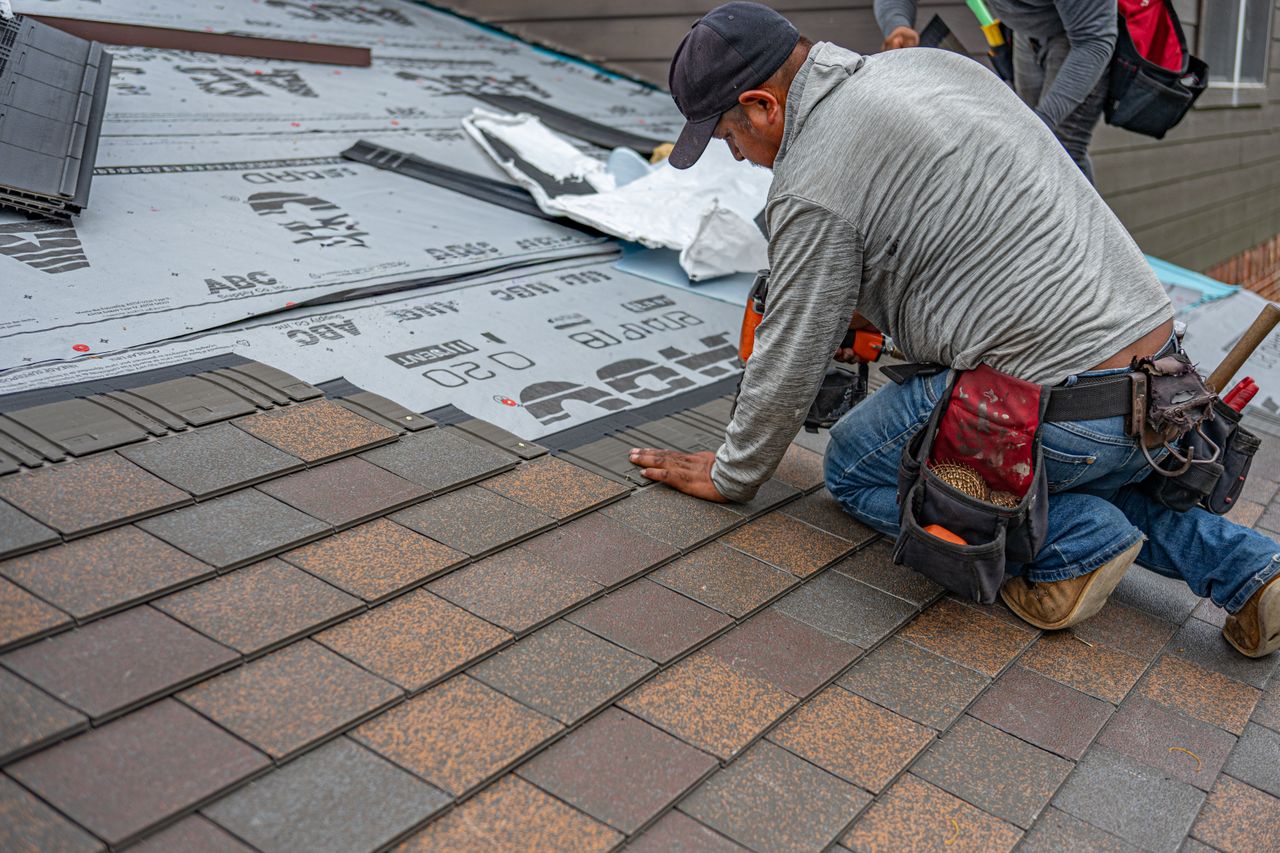
The roof protects everything beneath it, so it deserves the most attention in any exterior home maintenance plan. Most roofs should be inspected at least twice a year and after major storms. Homeowners can do a lot from the ground with binoculars, and from the attic with a flashlight, without climbing a ladder.
What to Look For
Knowing the signs you need a new roof helps homeowners decide when a repair is enough and when it is time to call a professional. Common warning signs include:
- Curling, cracked or missing shingles
- Granules collecting in gutters or at the bottom of downspouts
- Damaged or loose flashing around chimneys, vents and skylights
- Water stains on ceilings or in the attic
- Daylight showing through roof boards
- Moss, algae or a sagging roofline
Repair or Replace?
Small, isolated problems such as a few missing shingles or a damaged vent boot can usually be repaired. Widespread damage, repeated leaks or a roof near the end of its expected lifespan often make replacement the better long-term choice. Many asphalt shingle roofs last roughly 20 to 30 years, while metal, tile and slate can last much longer.
Understanding the roof replacement process makes a big project far less stressful. A typical replacement includes an inspection and estimate, removal of the old roofing, repairs to the roof deck if needed, installation of underlayment and new roofing materials, and a final inspection and cleanup. For most homes with asphalt shingles, the work itself takes one to three days.
Simple Roof Maintenance Habits
- Keep gutters clean so water does not back up under shingles.
- Trim branches that hang over the roof to prevent damage and reduce debris.
- Clear moss gently rather than pressure washing, which can strip granules.
- Make sure attic ventilation and insulation are working, since poor ventilation shortens a roof’s life.
- Avoid walking on the roof unless necessary, and never in wet or icy conditions.
Gutters and Downspouts
Gutters carry thousands of gallons of rainwater away from a home each year. When they clog, water spills over the edges, soaks the siding and pools against the foundation.
- Clean gutters at least twice a year, in late spring and after leaves fall in autumn, and more often in heavily wooded areas.
- Check that downspouts discharge several feet away from the foundation. Downspout extensions or splash blocks are inexpensive fixes.
- Look for sagging, leaking seams or loose brackets, and repair them before they pull away from the fascia.
- Consider gutter guards to reduce how often cleaning is needed, though they still require occasional checks.
Siding and Exterior Walls
Siding keeps moisture out of the walls. Cracks, gaps and peeling paint let water in, which can lead to rot, mold and insect damage.
- Walk around the house each spring and fall and look for cracked, warped or loose siding.
- Check caulk around windows, doors, vents and where different materials meet, and replace any that has dried out or cracked.
- Wash siding once a year with a soft brush and mild soap. Use a pressure washer only on materials that can handle it, and keep the spray angled downward.
- Repaint or restain wood siding when the finish starts to fade, peel or chip.
- Keep shrubs and vines trimmed back from walls so air can circulate and moisture can dry.
Windows and Doors
Windows and doors are common sources of drafts and leaks.
- Inspect weatherstripping and replace any that is cracked, flattened or missing.
- Re-caulk gaps around exterior trim.
- Check window sills and door thresholds for soft or rotting wood.
- Clean window tracks and weep holes so water can drain properly.
- Repair or replace torn screens before bug season.
Fences and Gates
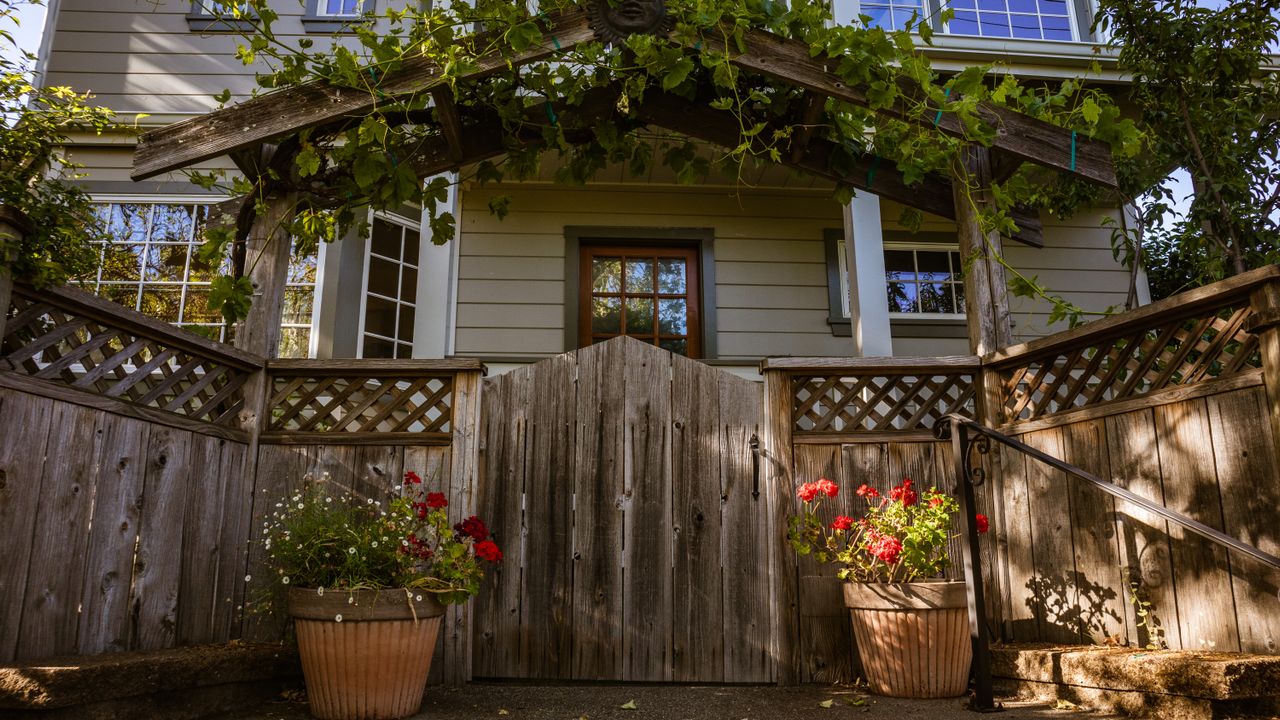
A fence adds privacy, security and curb appeal, but it is constantly exposed to weather, sprinklers and plants. Knowing how long does a fence last helps homeowners plan maintenance and budget for eventual replacement. Lifespans vary widely by material, from roughly 10 to 20 years for pressure-treated wood to several decades for well-maintained metal fencing.
Simple habits keep a fence in good shape:
- Inspect for loose boards, leaning posts and rust each spring and fall.
- Keep sprinklers from soaking wood fences.
- Trim vines and shrubs away from fence panels.
- Clean the fence once or twice a year to remove dirt, mildew and algae.
- Reseal or restain wood fences every two to three years, or as the product recommends.
- Adjust sagging gates promptly before they strain the posts.
Septic System and Outdoor Plumbing
For homes that are not connected to a city sewer, the septic system is one of the most important and most overlooked parts of exterior home maintenance. Understanding how does a septic system work makes it much easier to care for. Wastewater flows from the house into the septic tank, where solids settle and are broken down by bacteria. The liquid then flows out to a drain field, where the soil filters it naturally.
Key septic care habits include:
- Pump the tank on schedule. Many households need pumping every three to five years, depending on tank size and household size.
- Protect the drain field. Do not park or drive on it, and keep trees and shrubs with deep roots away.
- Watch what goes down the drain. Avoid flushing wipes, paper towels, grease and harsh chemicals.
- Spread out water use, such as laundry loads, to avoid overloading the system.
- Watch for warning signs, including sewage odors, slow drains, gurgling pipes, soggy ground or unusually green grass over the drain field.
Other outdoor plumbing needs attention too. Drain and shut off outdoor faucets before freezing weather, disconnect garden hoses, and check irrigation systems for leaks each spring.
Foundation and Drainage
Water around the foundation can lead to cracks, basement leaks and settling. Good drainage is one of the most effective ways to protect a home.
- Make sure soil slopes away from the house. A common guideline is a drop of about six inches over the first ten feet.
- Keep mulch and soil several inches below siding to prevent moisture and insect problems.
- Look for new or widening cracks in the foundation and monitor them over time.
- Check basements and crawl spaces for dampness, musty smells or standing water after heavy rain.
- Have a professional evaluate large, growing or horizontal cracks, which can signal structural issues.
Driveways, Walkways and Decks

Hard surfaces and outdoor living spaces take a lot of wear.
- Driveways and walkways: fill small cracks before water gets in and freezes. Asphalt driveways benefit from sealing every few years.
- Decks: check for loose boards, popped nails, wobbly railings and soft spots. Clean the deck each year and reseal wood decks every one to three years, depending on the product and sun exposure.
- Stairs and railings: make sure they are solid and secure, since loose railings are a common safety hazard.
- Patios: reset uneven pavers and remove weeds from joints.
Landscaping and Trees
Healthy landscaping adds beauty, but plants that are too close to the house can cause damage.
- Trim tree branches so they do not touch or hang over the roof.
- Keep shrubs at least a foot away from siding to allow airflow.
- Watch for roots near foundations, sidewalks and septic lines.
- Remove dead or diseased trees before they fall, and leave work near power lines to professionals.
- Clear leaves and debris from window wells, drains and the base of the house.
Exterior Lighting, Vents and Safety Checks
A few quick safety checks round out the routine:
- Outdoor lighting: replace burned-out bulbs near entrances, steps and driveways, and consider motion-sensor lights for security.
- Dryer vent: clean lint from the exterior vent flap at least once a year, since a blocked vent is a fire hazard and makes the dryer work harder.
- Outdoor outlets: make sure exterior outlets have weatherproof covers and test any GFCI outlets regularly.
- House numbers: keep them clean and visible from the street so emergency responders can find the home quickly.
- Pest entry points: seal gaps around pipes, cables and vents where insects and rodents can get in.
Home Maintenance Tips for Every Homeowner
A few simple habits make exterior home maintenance easier to stick with year after year. These home maintenance tips apply to almost any property:
- Do a seasonal walk-around. Twice a year, walk the full perimeter of the house and look at the roof, gutters, siding, windows, foundation and yard with fresh eyes.
- Keep a maintenance log. Record dates of roof inspections, septic pumping, gutter cleaning and repairs. A log helps plan ahead and is valuable when selling the home.
- Take photos. Photos of problem areas make it easier to see whether a crack is growing or a stain is spreading.
- Set aside a yearly budget. Many homeowners plan for roughly 1 to 2 percent of the home’s value each year for maintenance and repairs, with more for older homes.
- Fix small problems quickly. A loose shingle, a cracked seal or a clogged downspout is cheap to fix today and expensive to ignore.
- Check after storms. High winds, hail and heavy rain can cause damage that is not obvious from inside the house.
- Know the age of major systems. Knowing when the roof, fence, deck and septic system were installed helps you anticipate replacements.
DIY Tasks vs. Professional Jobs
Plenty of exterior maintenance is safe and simple for homeowners. Other jobs carry real risks or need specialized equipment.
| Usually DIY | Best Left to Professionals |
|---|---|
| Cleaning gutters from a stable ladder | Roof repairs and replacement |
| Caulking and weatherstripping | Septic pumping and drain field repairs |
| Washing siding and windows | Large foundation cracks or structural repairs |
| Trimming shrubs and small branches | Tree work near power lines or the roof |
| Sealing small driveway cracks | Electrical work on outdoor circuits |
| Staining fences and decks | Major fence or deck rebuilds |
Ladder safety matters. Use a sturdy ladder on firm, level ground, keep three points of contact and avoid working alone at heights.
Common Exterior Maintenance Mistakes
- Ignoring gutters. Clogged gutters are a leading cause of water damage around roofs, walls and foundations.
- Pressure washing everything. High pressure can damage shingles, soft wood and some siding materials.
- Planting too close to the house. Shrubs and trees against walls trap moisture and invite pests.
- Skipping septic pumping. A full tank can lead to backups and drain field failure, one of the most expensive home repairs.
- Waiting for leaks. By the time water shows up indoors, damage has often already spread.
- Forgetting outdoor faucets. Frozen pipes can burst inside walls when spigots are not shut off before winter.
Frequently Asked Questions
How often should exterior home maintenance be done?
A full walk-around inspection twice a year, in spring and fall, covers most needs. Some tasks, such as gutter cleaning, may be needed more often, while others, such as septic pumping or deck sealing, happen every few years.
What is the most important part of exterior home maintenance?
Managing water is the most important job. Keeping the roof sound, gutters clear and drainage pointed away from the foundation prevents many of the most expensive repairs.
How long does a roof last?
It depends on the material, climate and installation. Many asphalt shingle roofs last roughly 20 to 30 years, while metal, tile and slate roofs can last much longer.
How often should a septic tank be pumped?
Many households need pumping every three to five years, but the right schedule depends on tank size, household size and water use. A septic professional can recommend a schedule.
How much should be budgeted for home maintenance?
A common rule of thumb is about 1 to 2 percent of the home’s value each year. Older homes and homes in harsh climates may need more.
Final Thoughts
Exterior home maintenance is less about big projects and more about steady attention. Checking the roof, clearing gutters, sealing gaps, caring for fences and decks, and keeping the septic system on schedule protect a home from the outside in. A simple seasonal routine, a maintenance log and a small yearly budget turn surprise repairs into planned, manageable tasks.
For more detail on each topic, explore these guides: